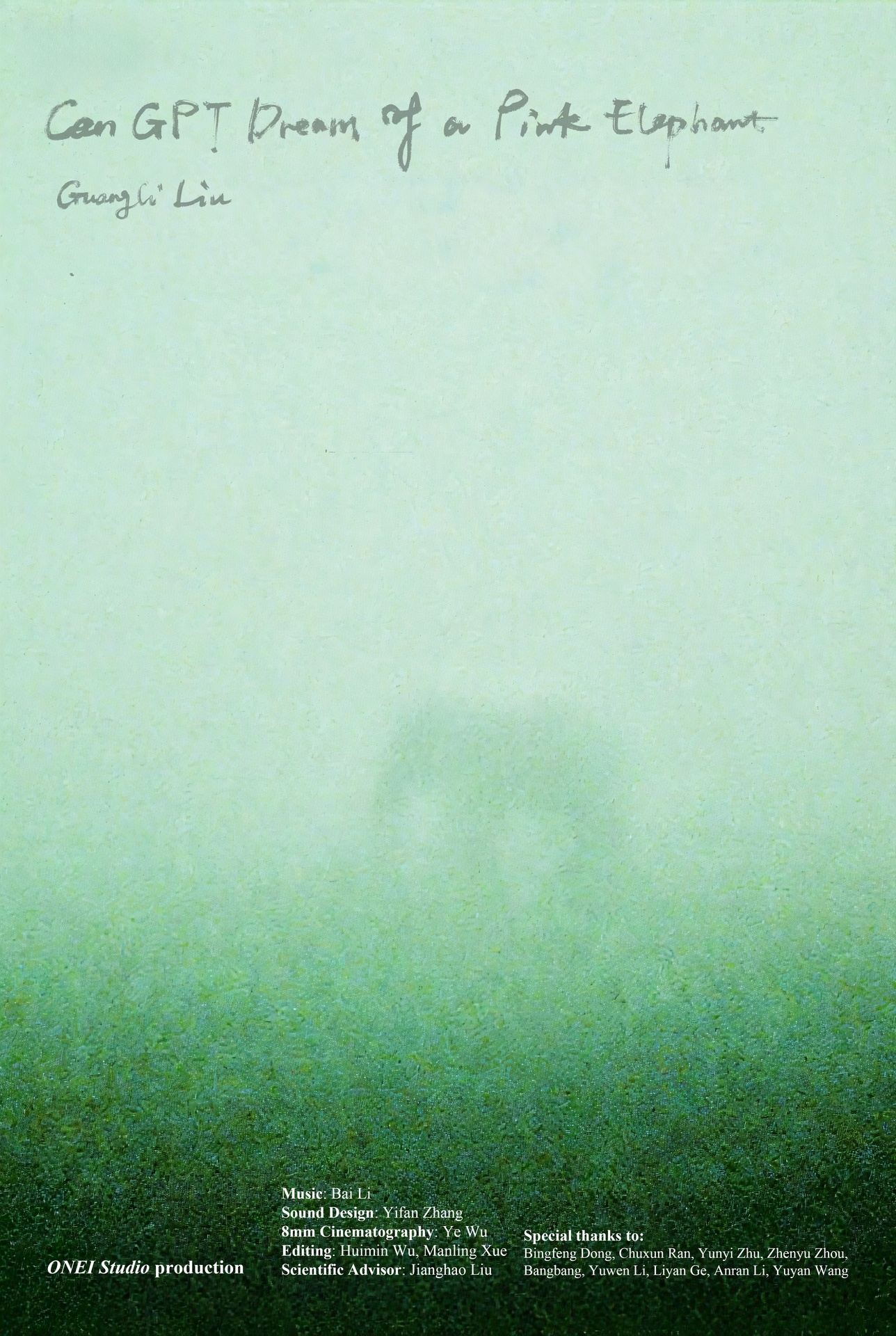
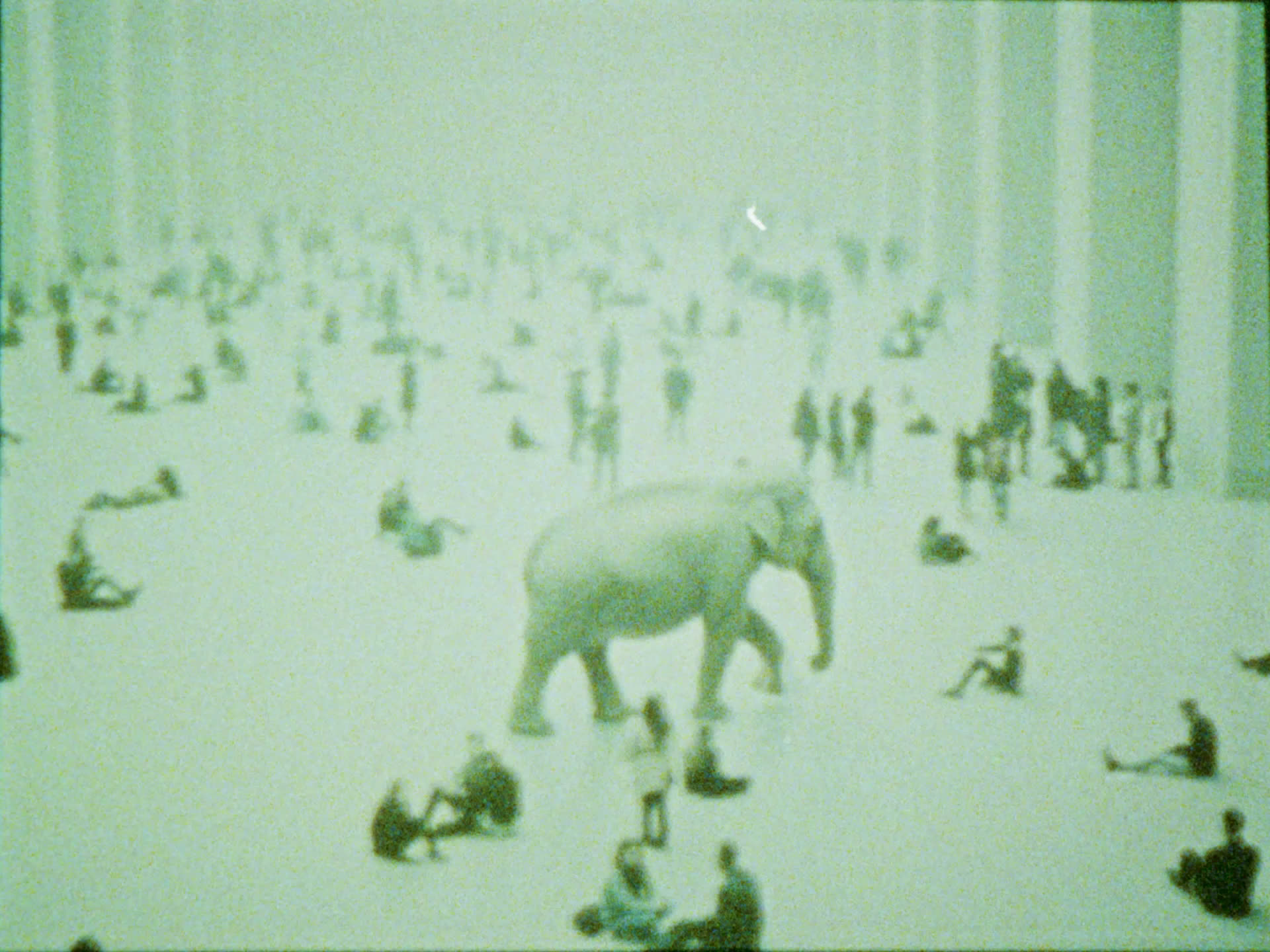
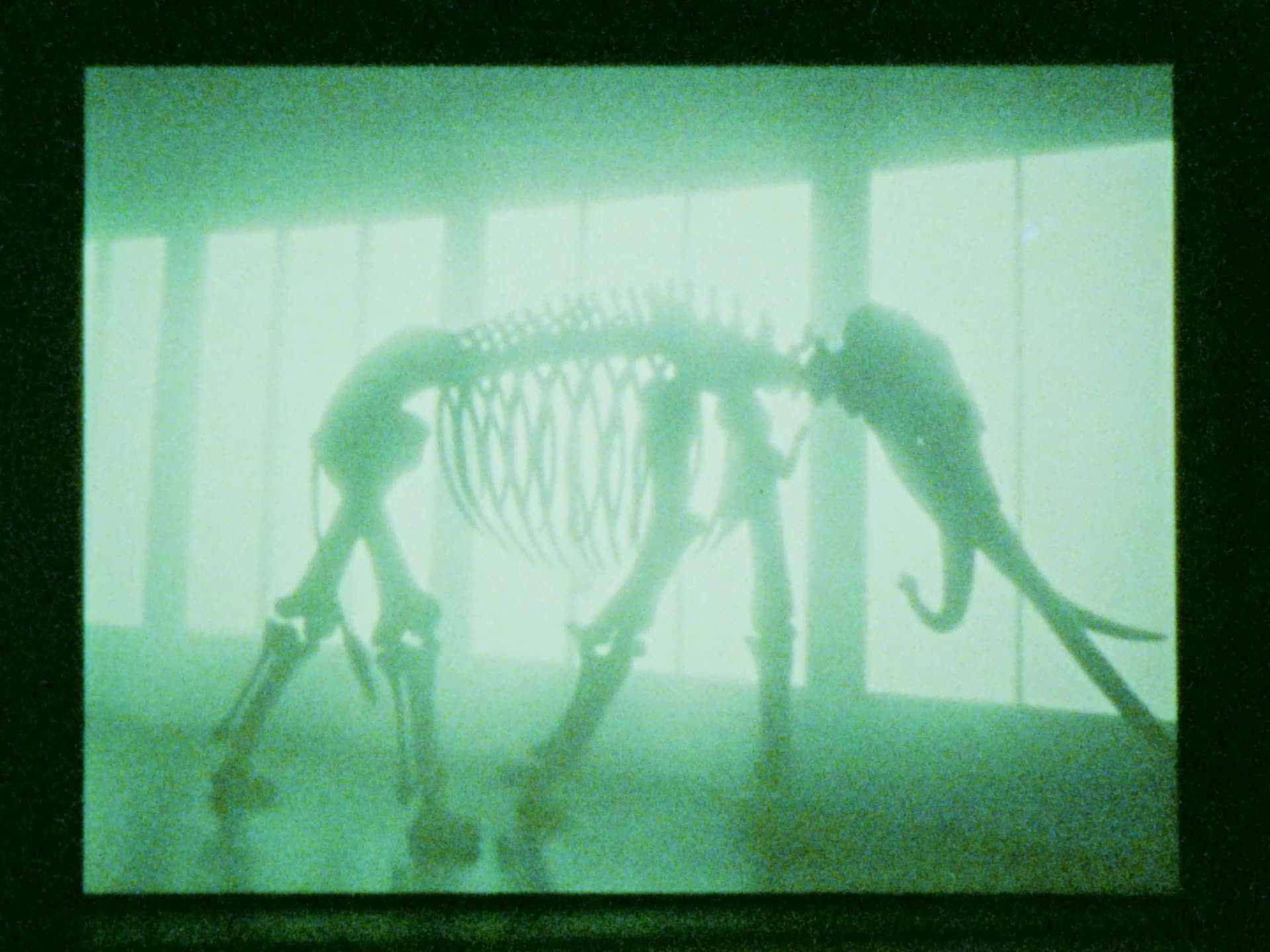
Approximately 4% of the population has aphantasia, an inability to form visual images in the mind’s eye. They understand what an elephant is, what pink is, yet see nothing when they close their eyes. Meanwhile, diffusion models generate images from pure noise in data centers every second. Neuroscience reveals that human imagination works through top-down signals reactivating visual cortex, a process structurally parallel to the denoising in AI image generation. Aphantasia may be precisely this denoising interrupted: the signal is sent but never amplified into conscious awareness.
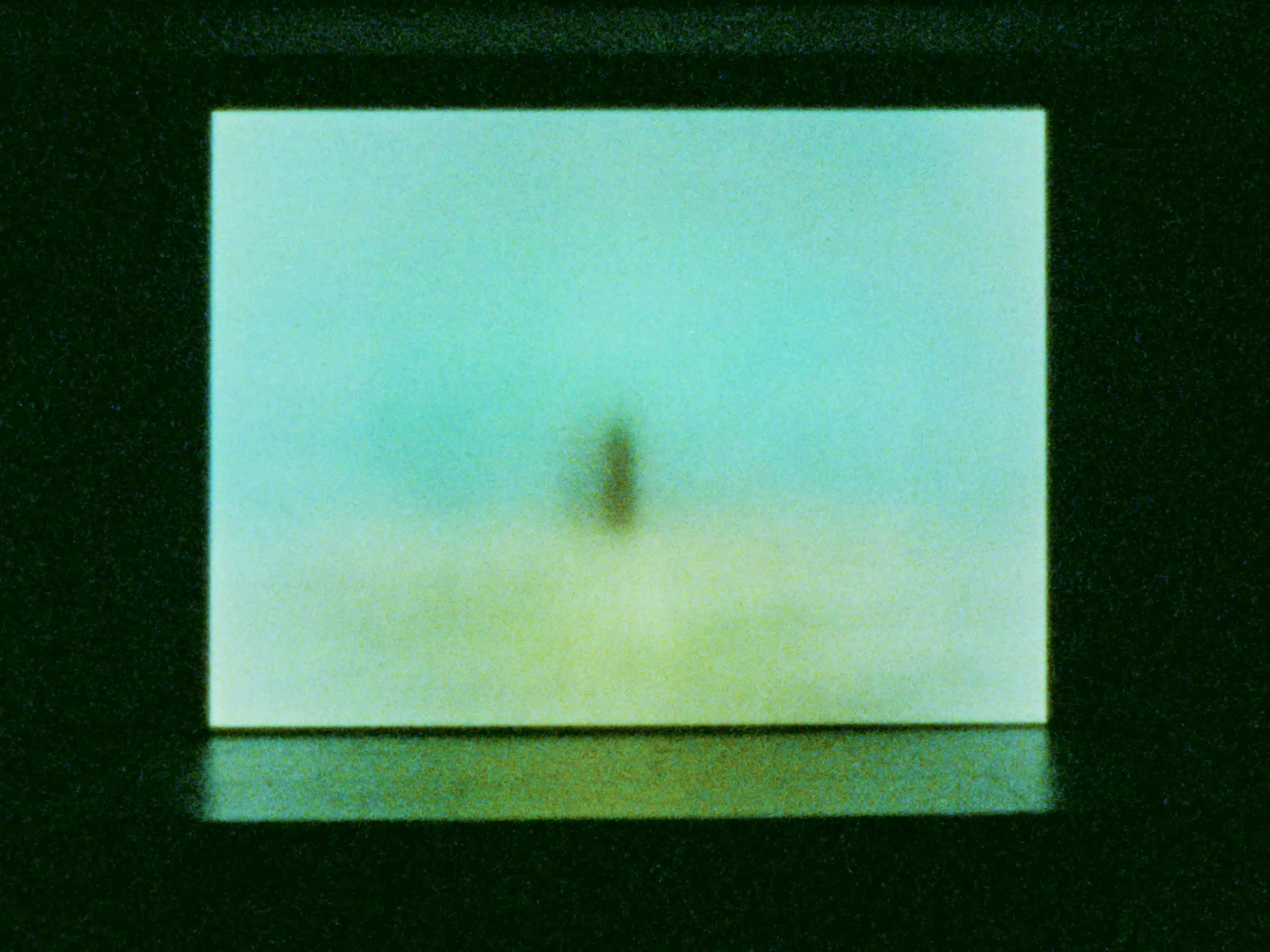
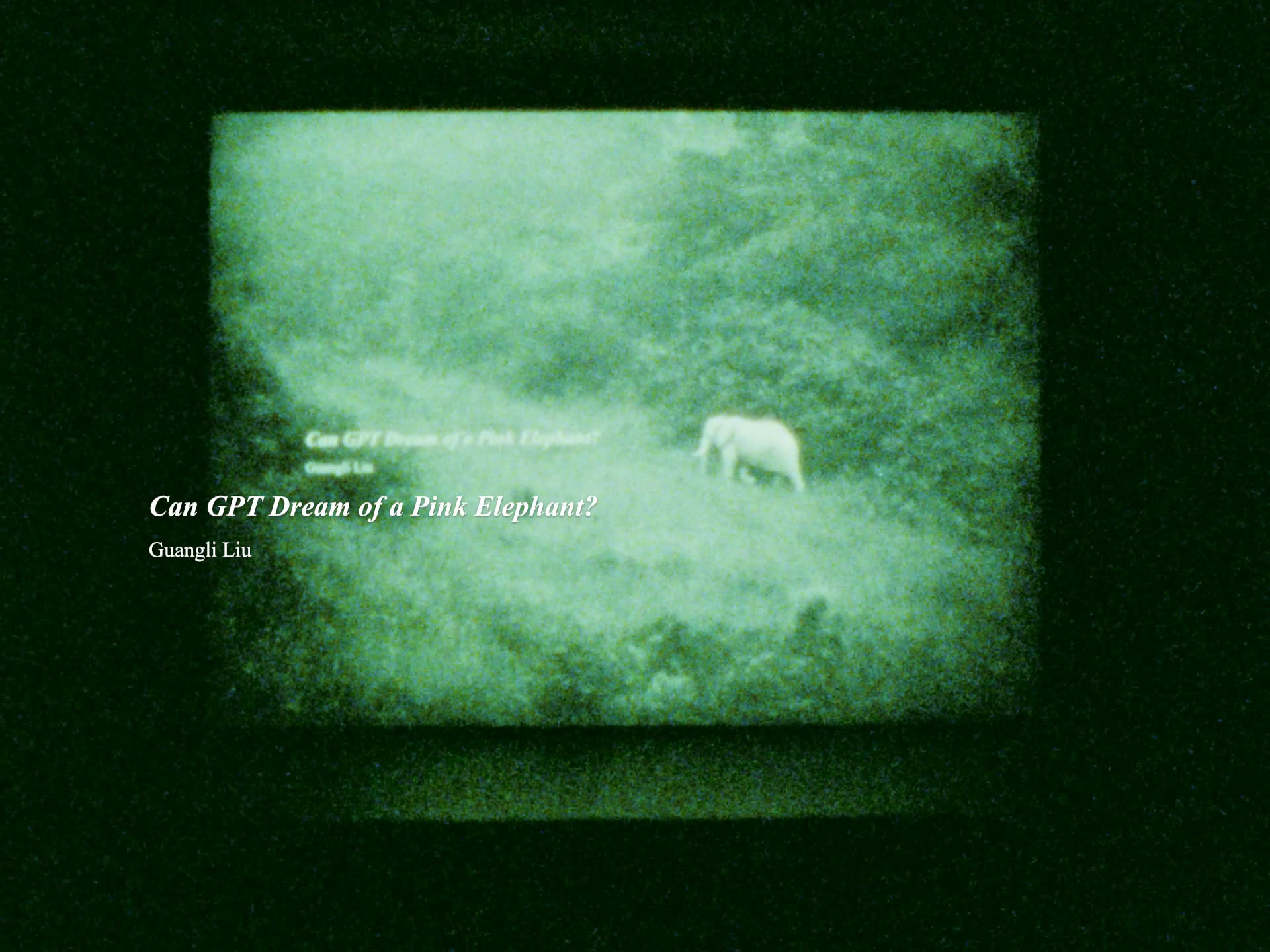
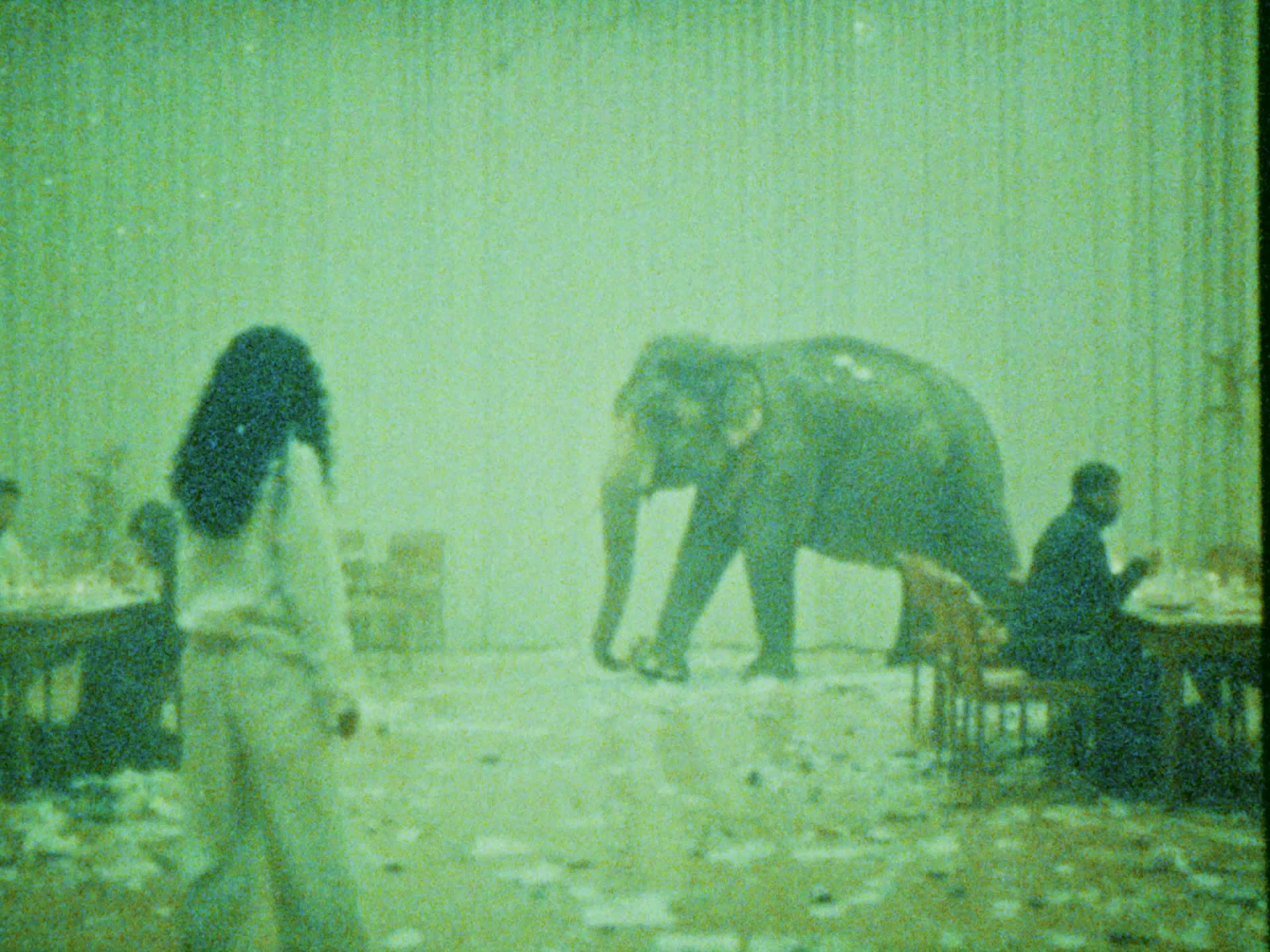
The film places this absence of inner images in dialogue with an AI system that produces images excessively. Through a series of staged conversations, it asks what happens when inner darkness meets synthetic vision, and whether a machine’s capacity to generate images can illuminate the human inability to see them internally. Digital footage is then re-filmed on 8mm, a reverse-developing ritual that returns the synthetic image to grain, flicker, and fragile material surface.
Process notes
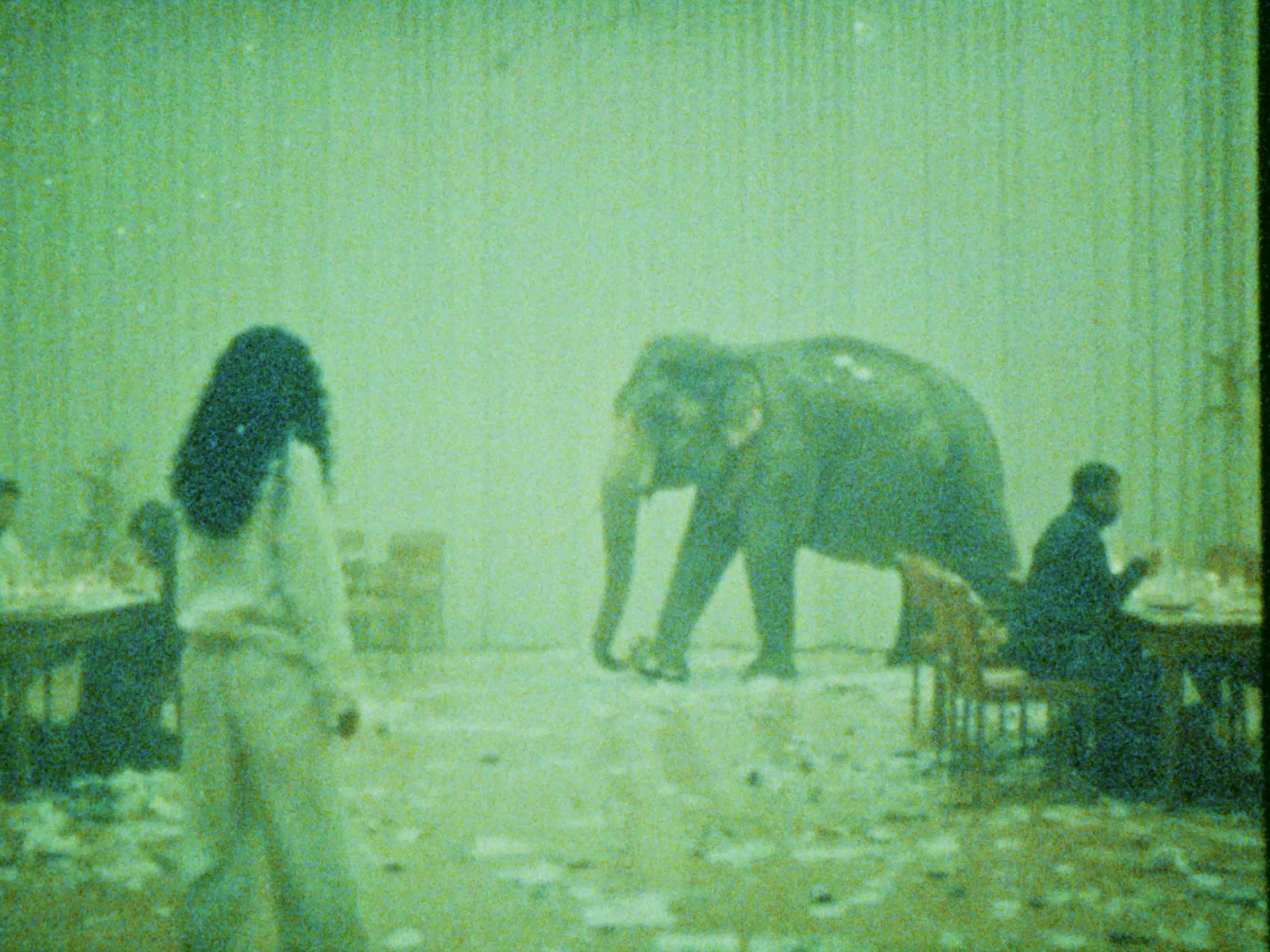
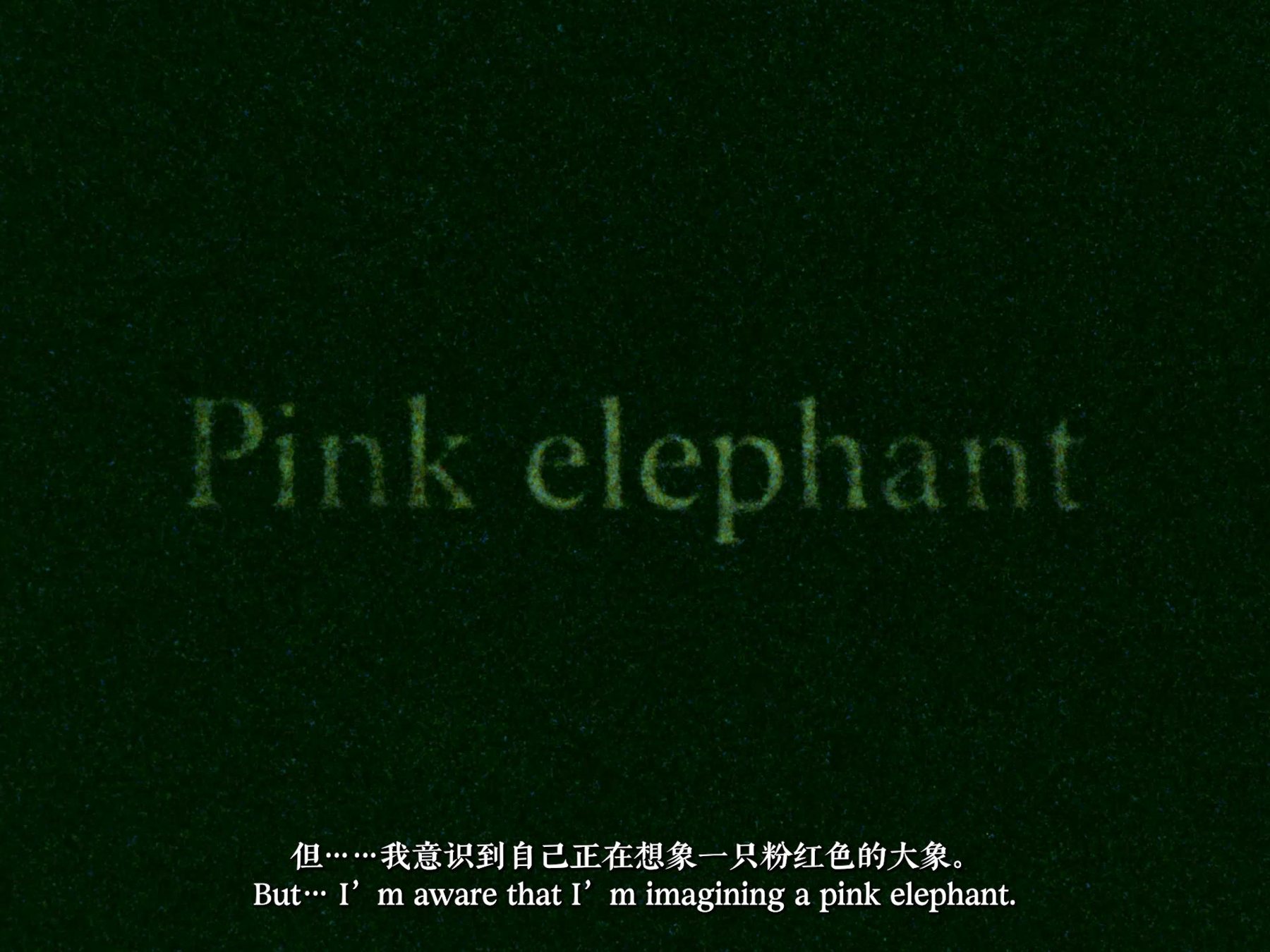
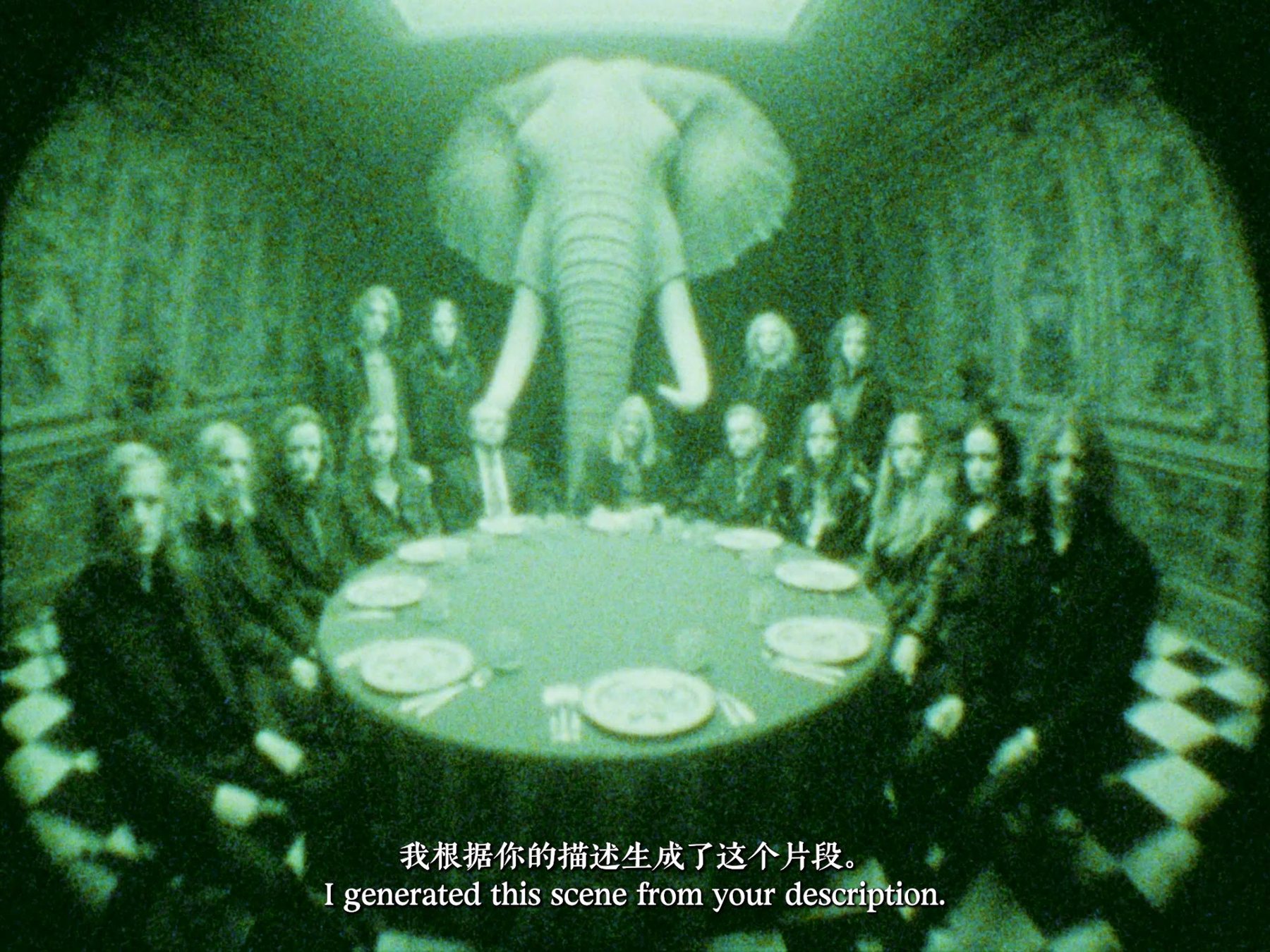
“Don’t think of a pink elephant” assumes a mind that can summon an image and then chase it away; for someone with aphantasia, the instruction falls into a flat, settled dark. I set that dark directly across from a machine that is never short of images: I brought people with aphantasia into something close to a clinical interview, asked them to describe the elephants and dreams they cannot picture, and watched the same few sentences become, on the machine’s side, a banquet of excess in seconds.
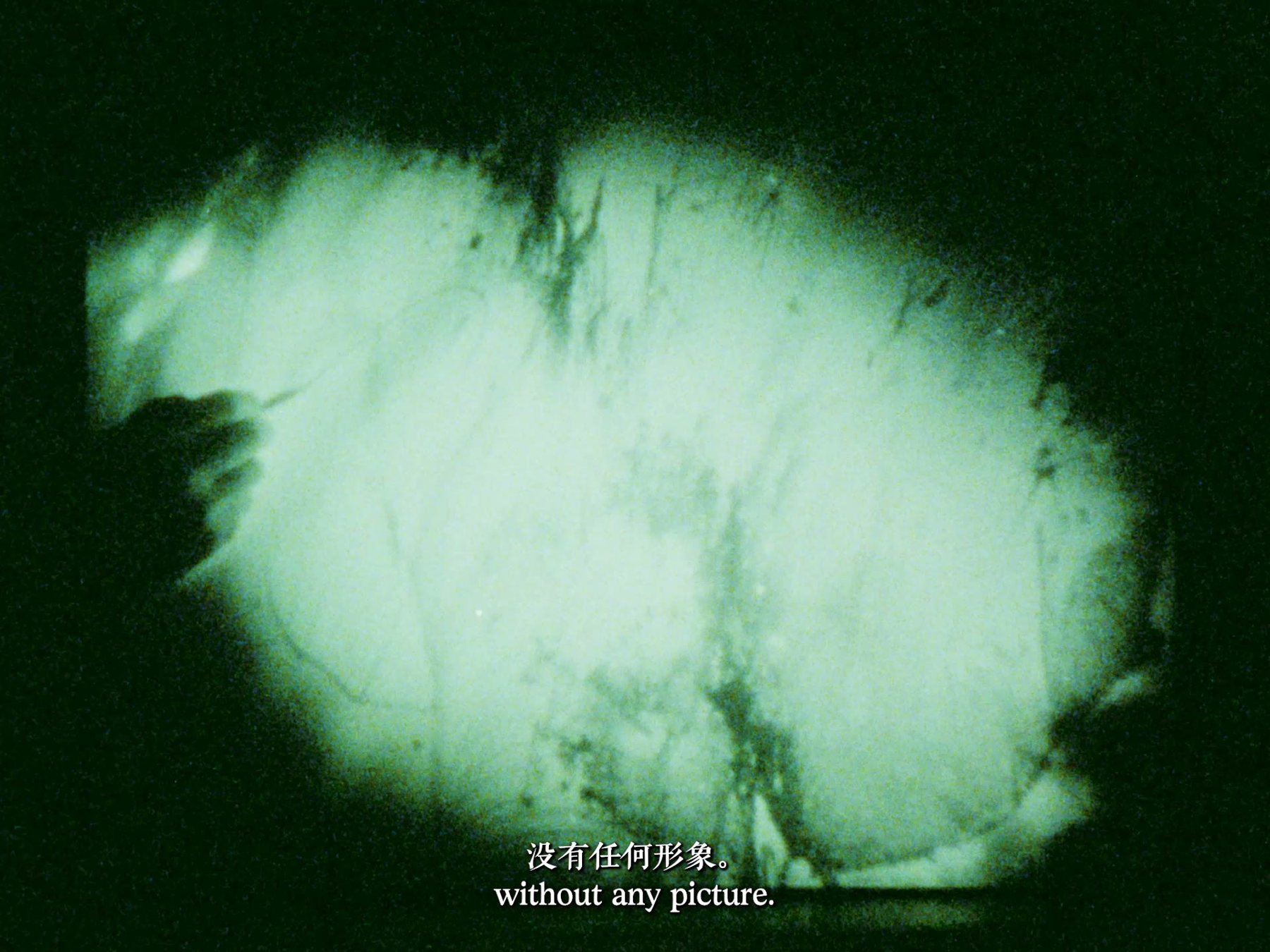
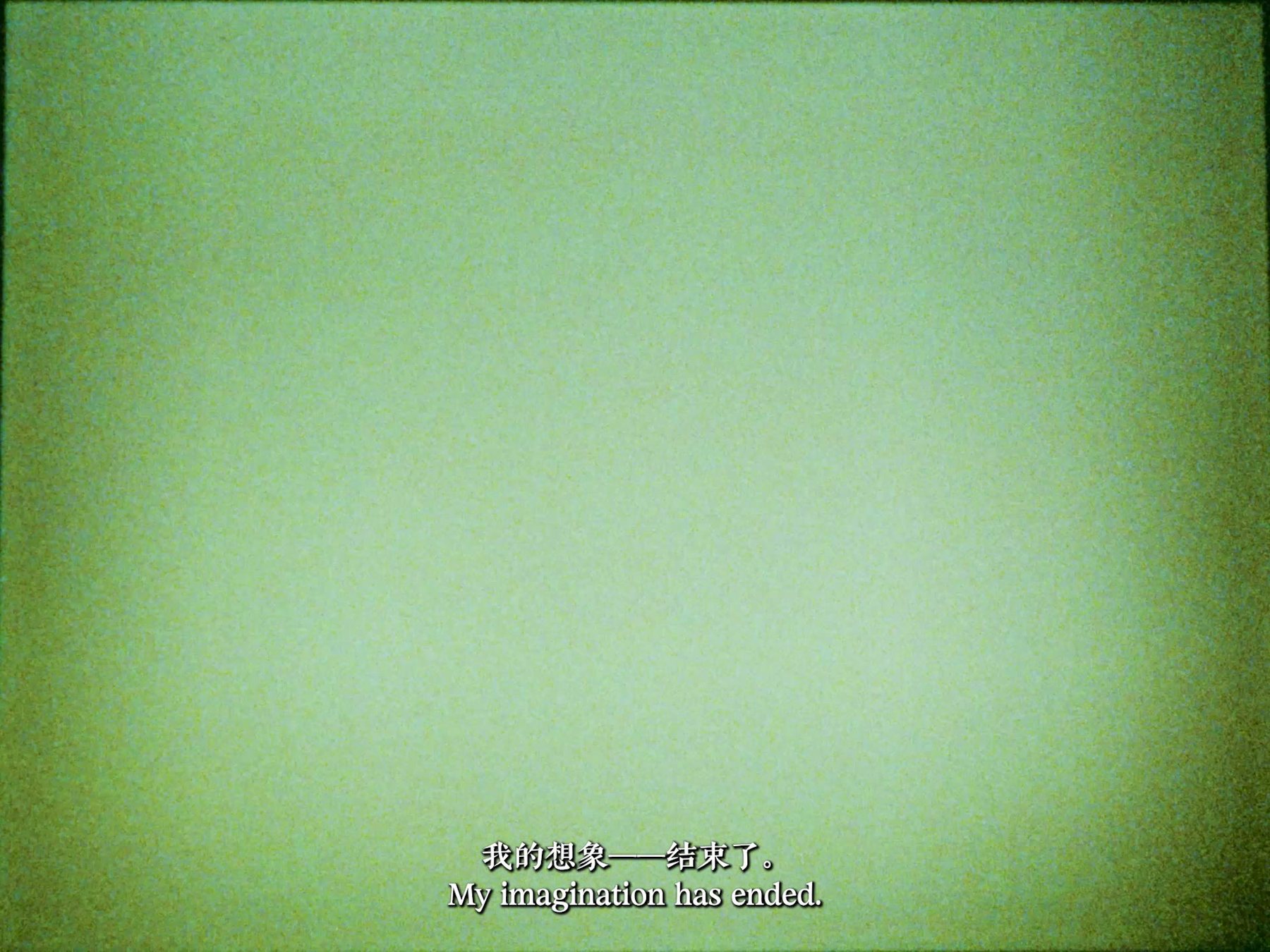
Midway the film stops on the Chinese character 像, where image and likeness both return to a single act — a person looking at a thing. Rather than leave these synthetic images in their weightless, endlessly copyable state, I re-filmed them onto 8mm, sending them back through light, emulsion and exposure until they rest on a fragile, grainy surface that can be damaged. A few filmed lines stay among them: the forbidden “Pink elephant”; a frame that reads only “without any picture”; the “I generated this scene from your description” the machine prints as it conjures the banquet; and, at the end, “My imagination has ended”. Aphantasia is not a defect to be repaired. The better question is which of them comes nearer to imagining, and which is only developing an image, when a mind that makes no images sits beside a machine that cannot stop making them.
Festivals / screenings
- 2026, Rewriting the Future: AI Literature Film Competition, Suzhou, China — Grand Prize: Rewriting the Future Award
- 2026, The Unconscious Expanse, Asian Avant-Garde Film Festival, M+, Hong Kong
- 2026, IN SILICO Experimental Short Film Competition, Message to Man International Film Festival, Saint Petersburg, Russia
Exhibitions
- 2026, Knowledge in a Fractured World, Alison Richard Building, University of Cambridge, Cambridge, United Kingdom — CRASSH 25th Anniversary Exhibition, October 5 - December 11
- 2026, 看不见的河流, Quzhou Art Museum, Quzhou, China
- 2026, The Correct Way to Open a Can: Strike with the Spine!, George Paton Gallery, Melbourne, Australia
- 2026, Earthed: Reconnecting with the Ground, Guangdong Museum of Art, Guangzhou, China
- 2025-2026, Wild things: The art of the creator, Yemu Contemporary, Hangzhou, China
Links / references
- Rewriting the Future: AI Literature Film Competition award record Public award record for the Rewriting the Future prize.
- M+ Asian Avant-Garde Film Festival: The Unconscious Expanse Official M+ programme page for The Unconscious Expanse.
- Earthed / 重回大地: Guangdong Museum of Art exhibition page Guangdong Museum of Art exhibition page for Earthed: Reconnecting with the Ground.
- Message to Man International Film Festival: Can GPT Dream of a Pink Elephant? Official Message to Man film page, listing the film in the 2026 IN SILICO Experimental Short Film Competition.
- Knowledge in a Fractured World: CRASSH 25th Anniversary Exhibition page Official exhibition page of the CRASSH 25th Anniversary Exhibition at the Alison Richard Building, listing Guangli Liu among the exhibitors.