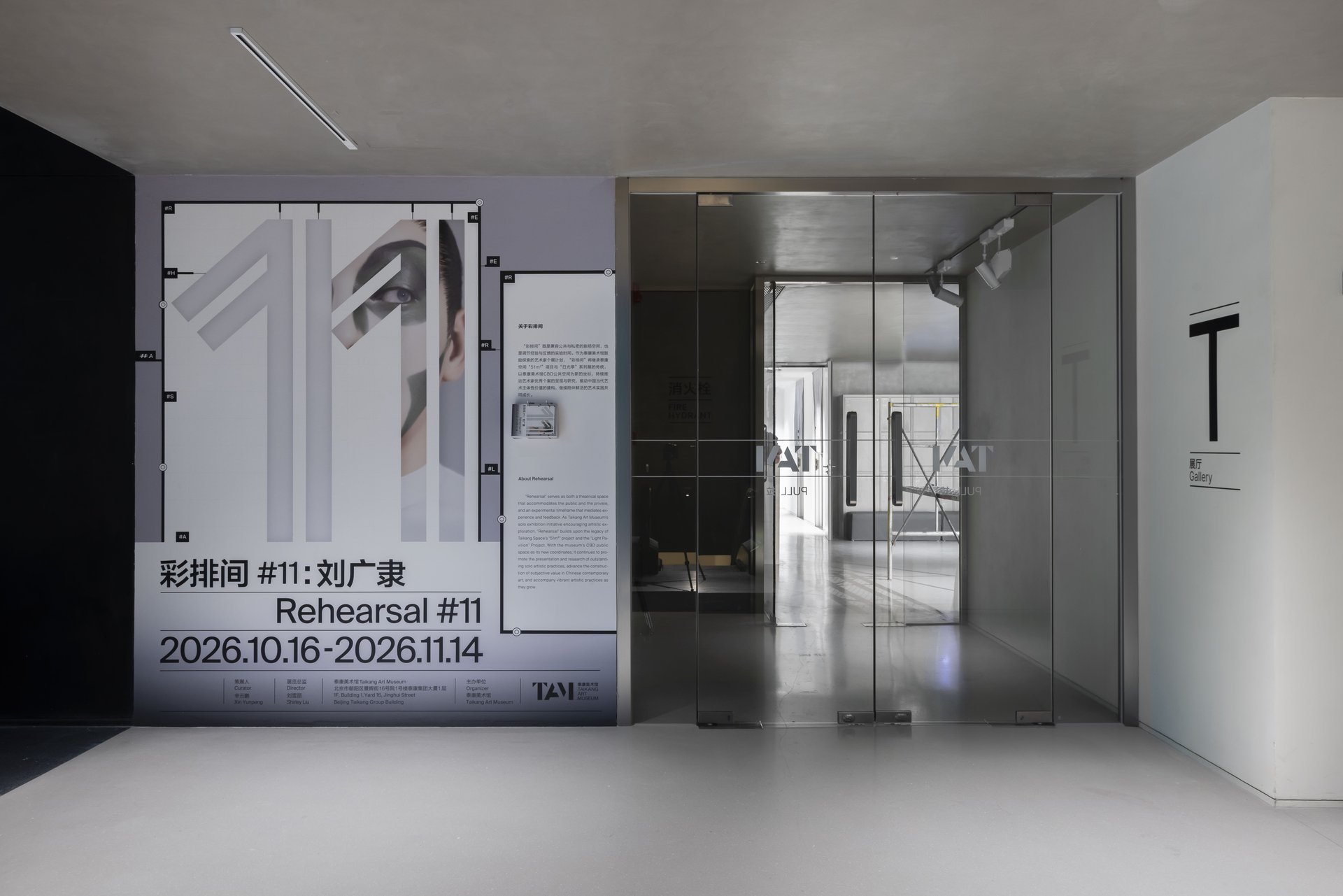
The casting is real: I was choosing actors for a film I am preparing. Twenty-three actors sat down at the table in turn, and a producer playing the director put the same questions to each of them, in the same order. A real interview, a screen test; perhaps the actors themselves could not tell where the performance began. Perhaps the hardest role is playing yourself.
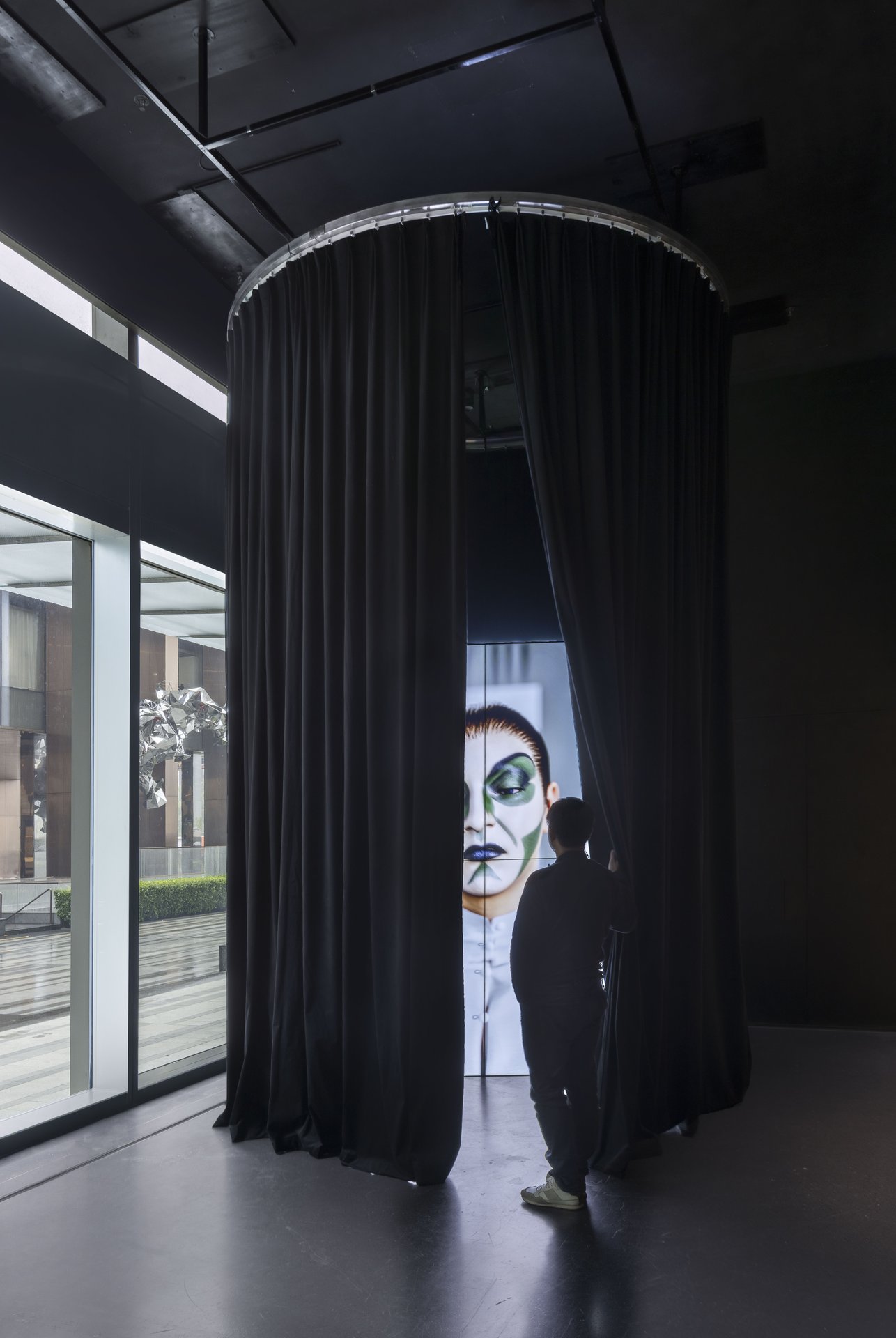
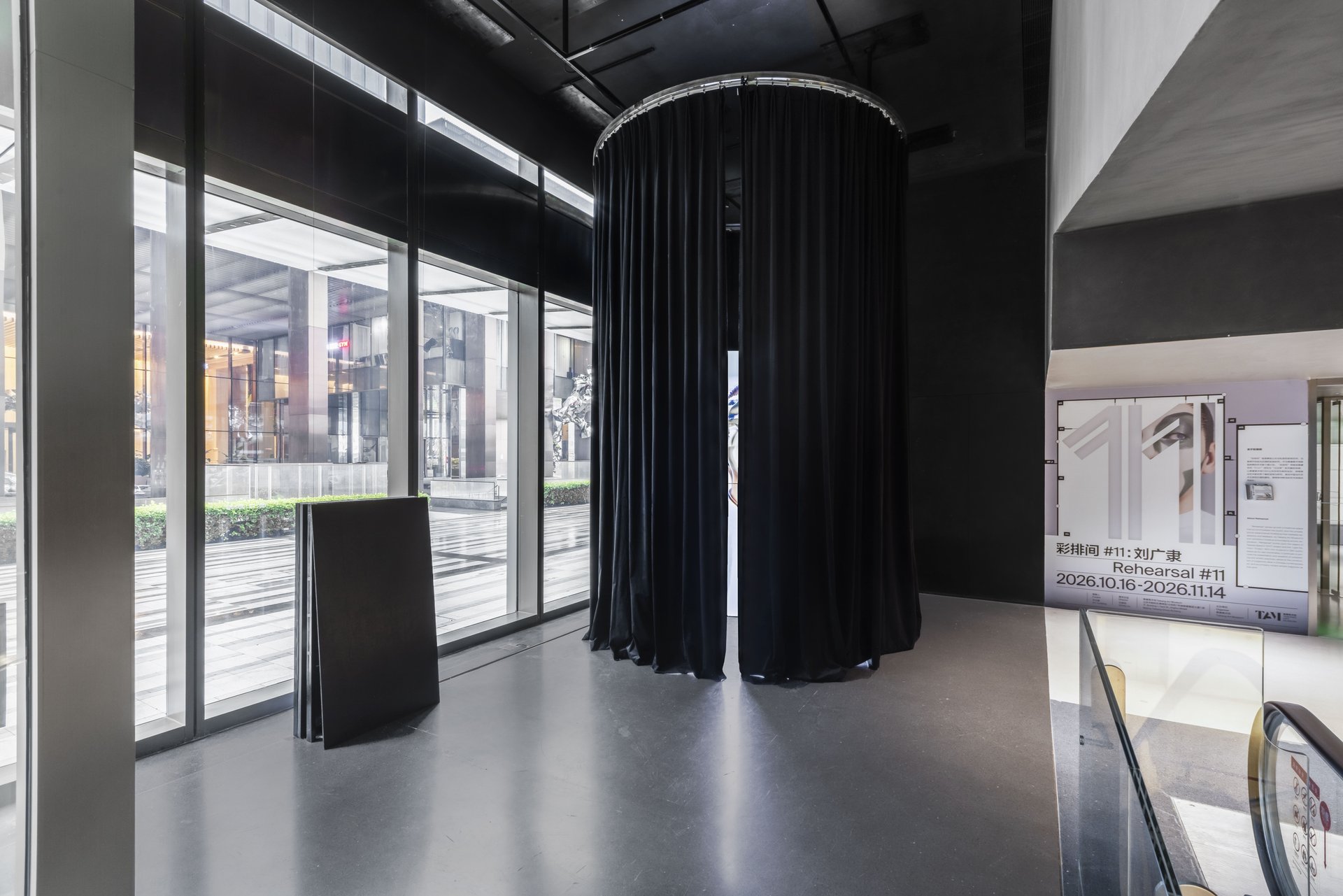
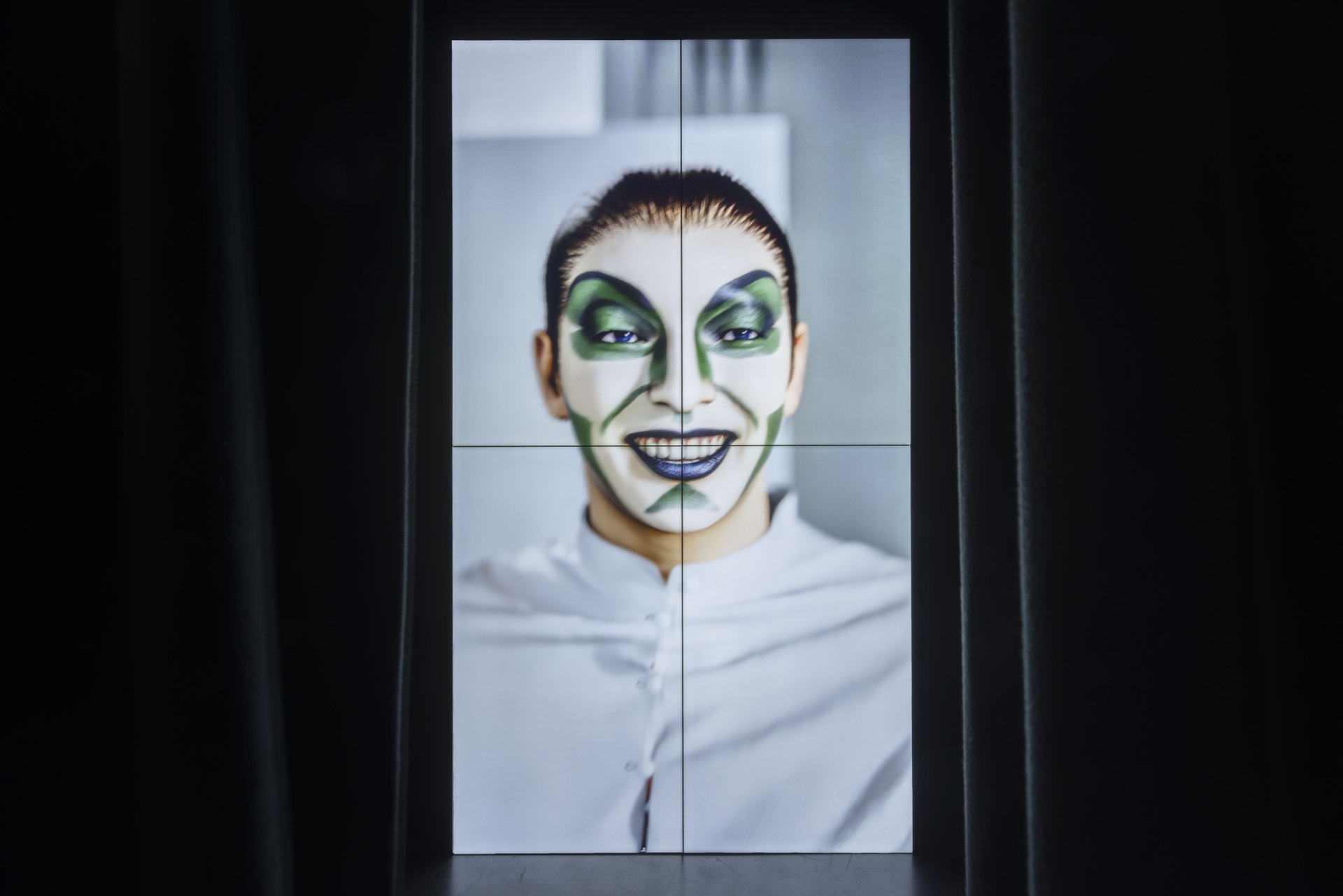
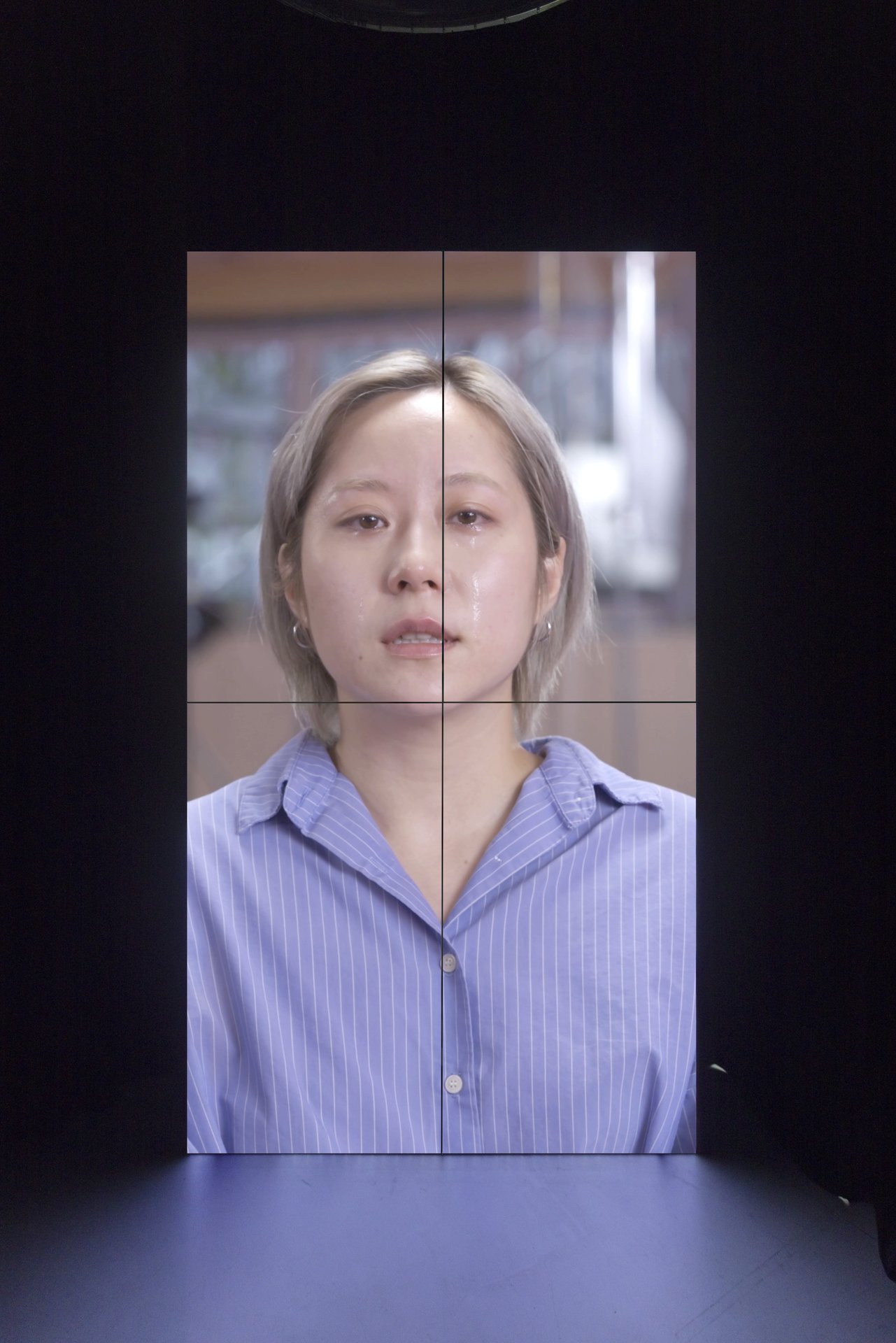
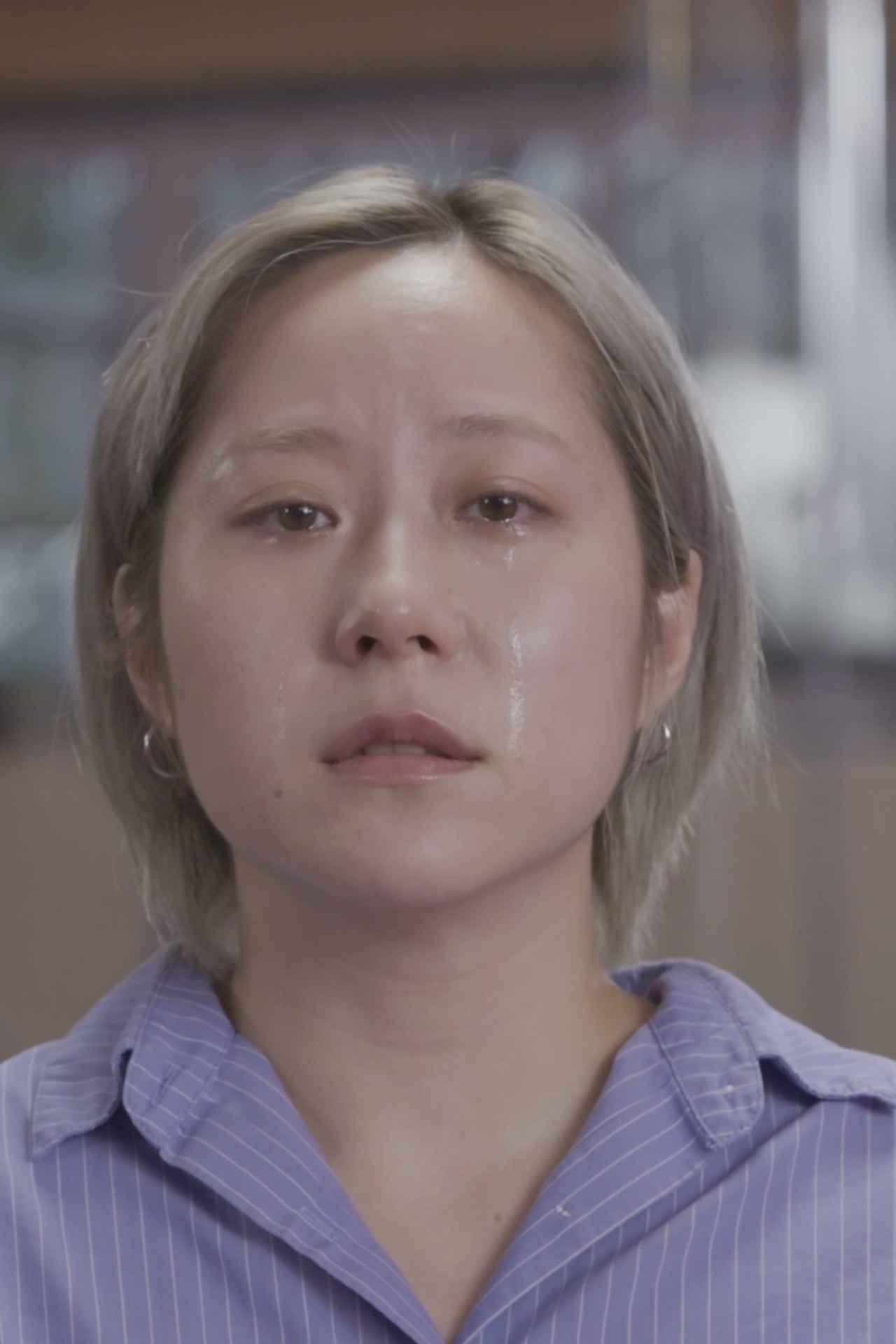
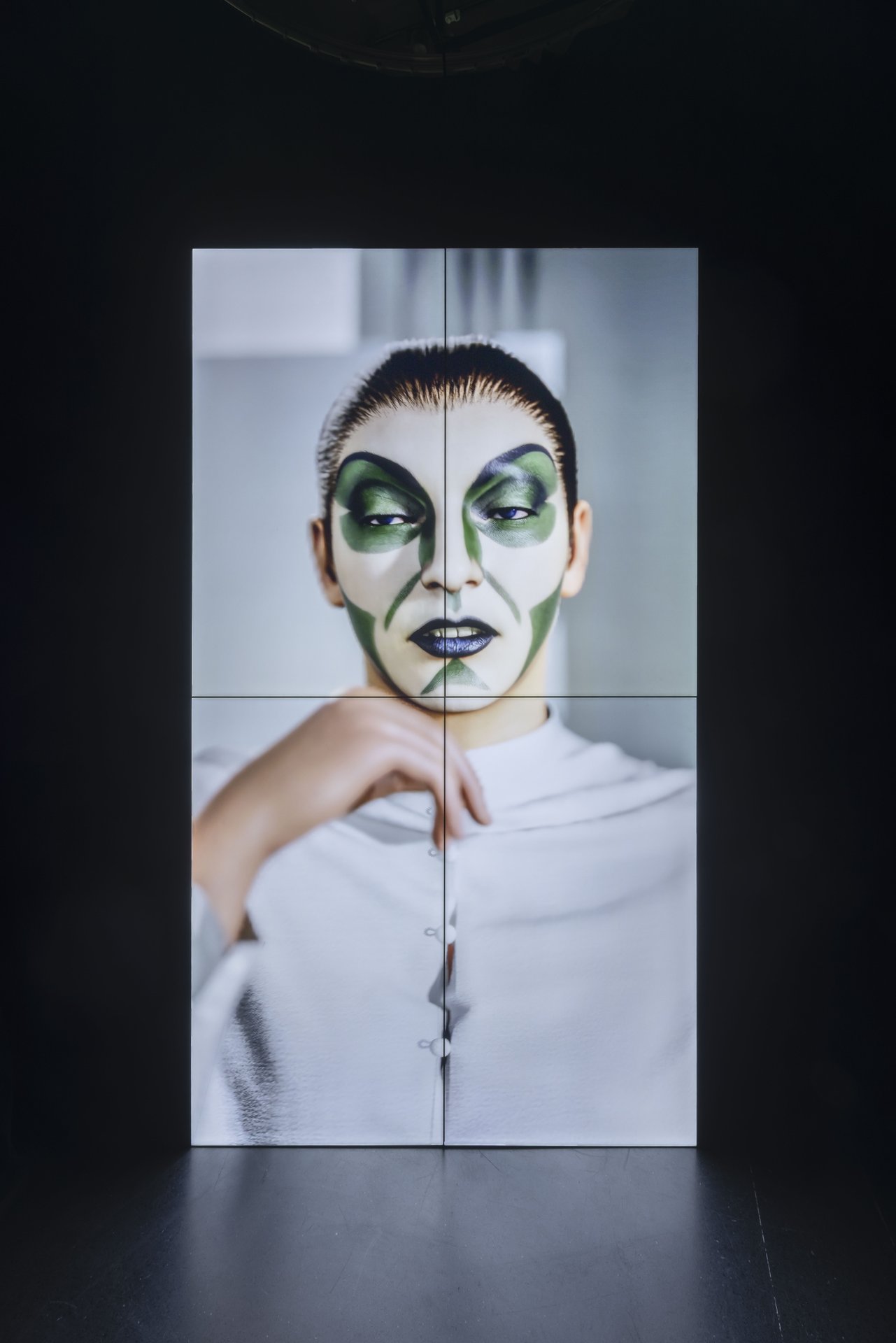
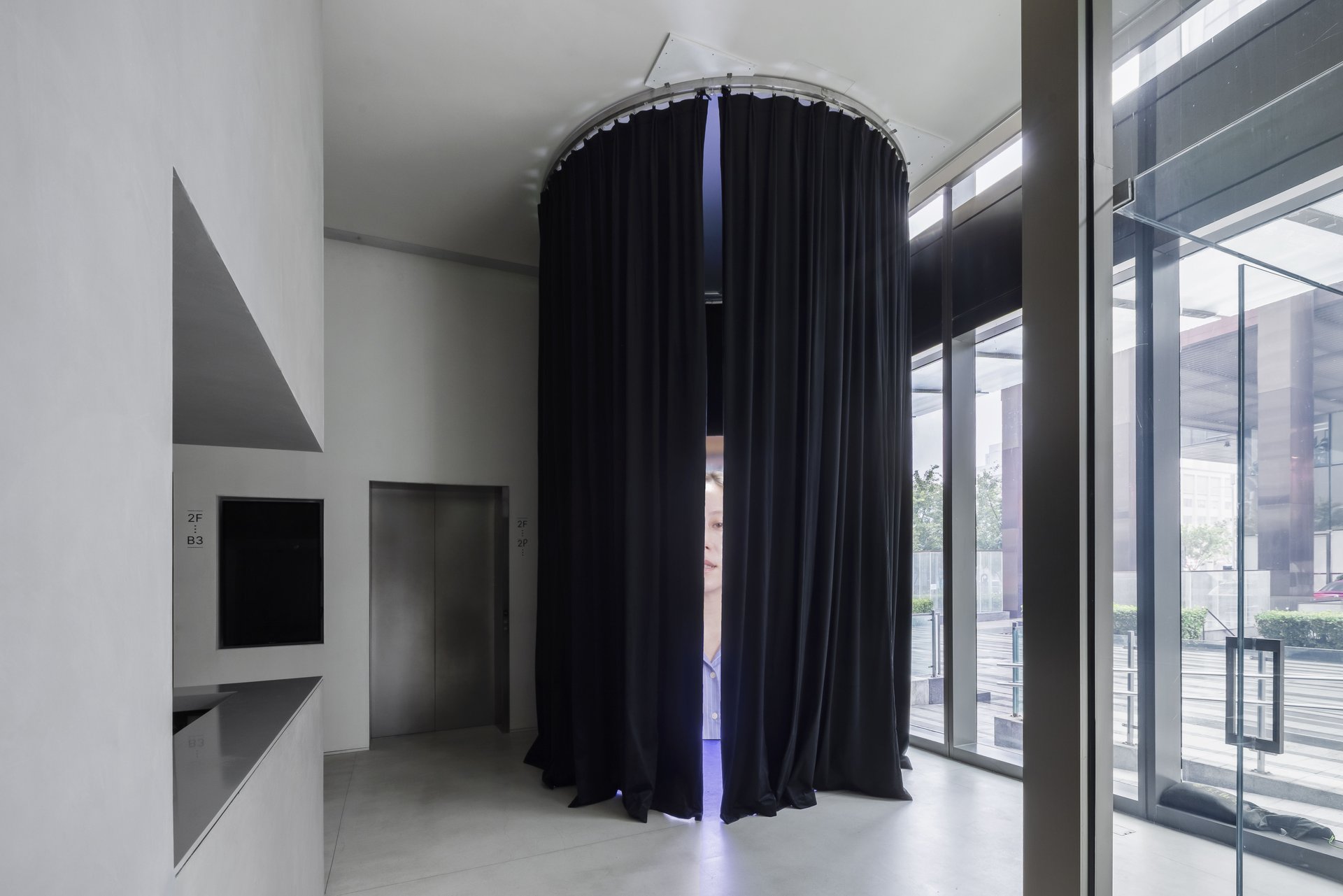
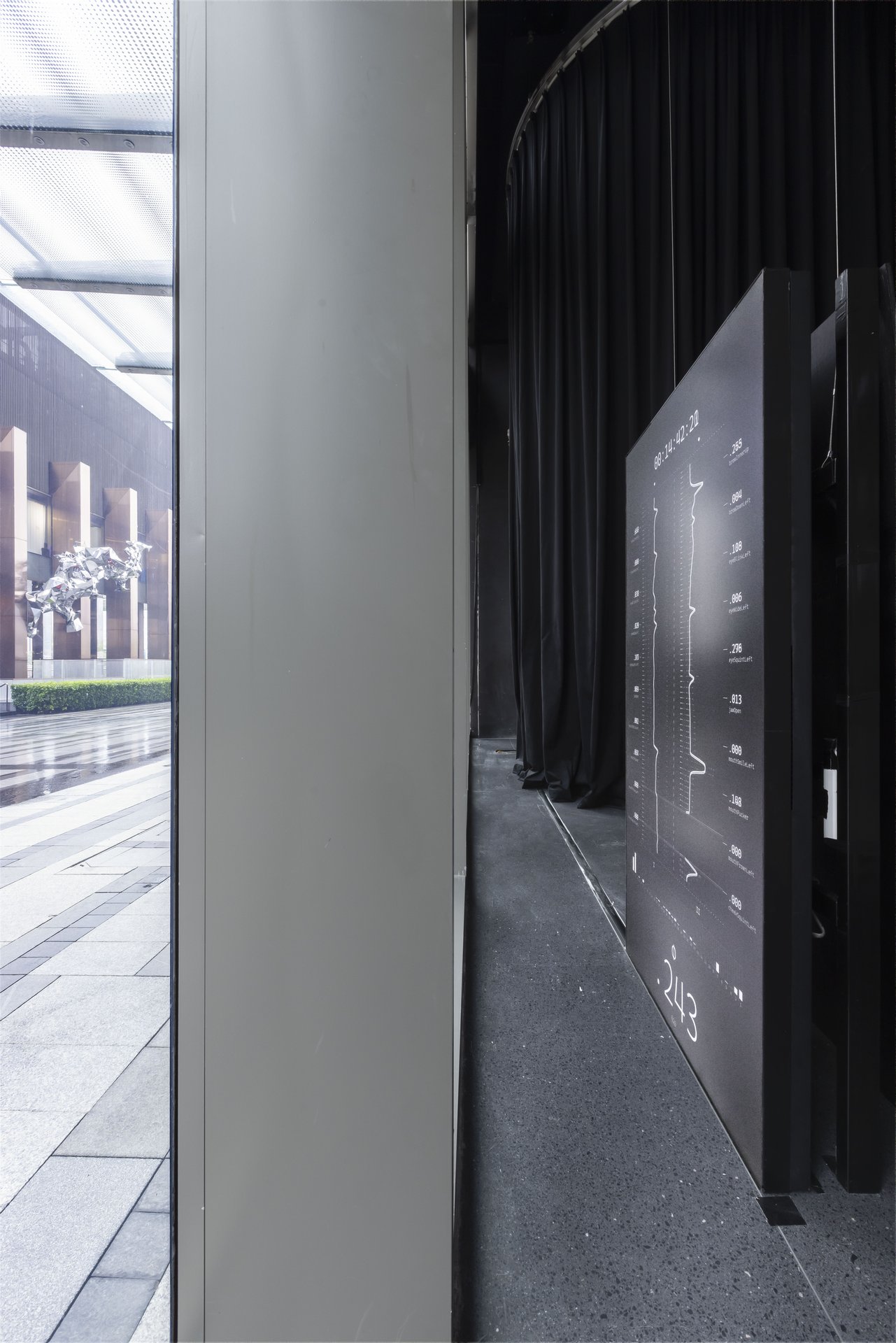
If a machine can extract data from a human face, drive an animation and perform the real, what can a person extract from a representation the machine has already translated? Two black fabric cylinders stand in the room, each holding a vertical screen wall. In the first, a virtual human plays the actor being interviewed. It wears full makeup of the kind used for late-1930s early television tests, which makes it look slightly uncanny; errors in the data leave a faint, recognizable twitch on its face. By turns calm and moved, it sometimes answers the same question in an entirely different way. Real actors drive it, yet the faces that were cast remain, structurally, out of sight. In the second cylinder is the face of the actor Jin Jing, real and moving: the same camera position, the same light, emotions strung together seamlessly, no error, no data glitch.
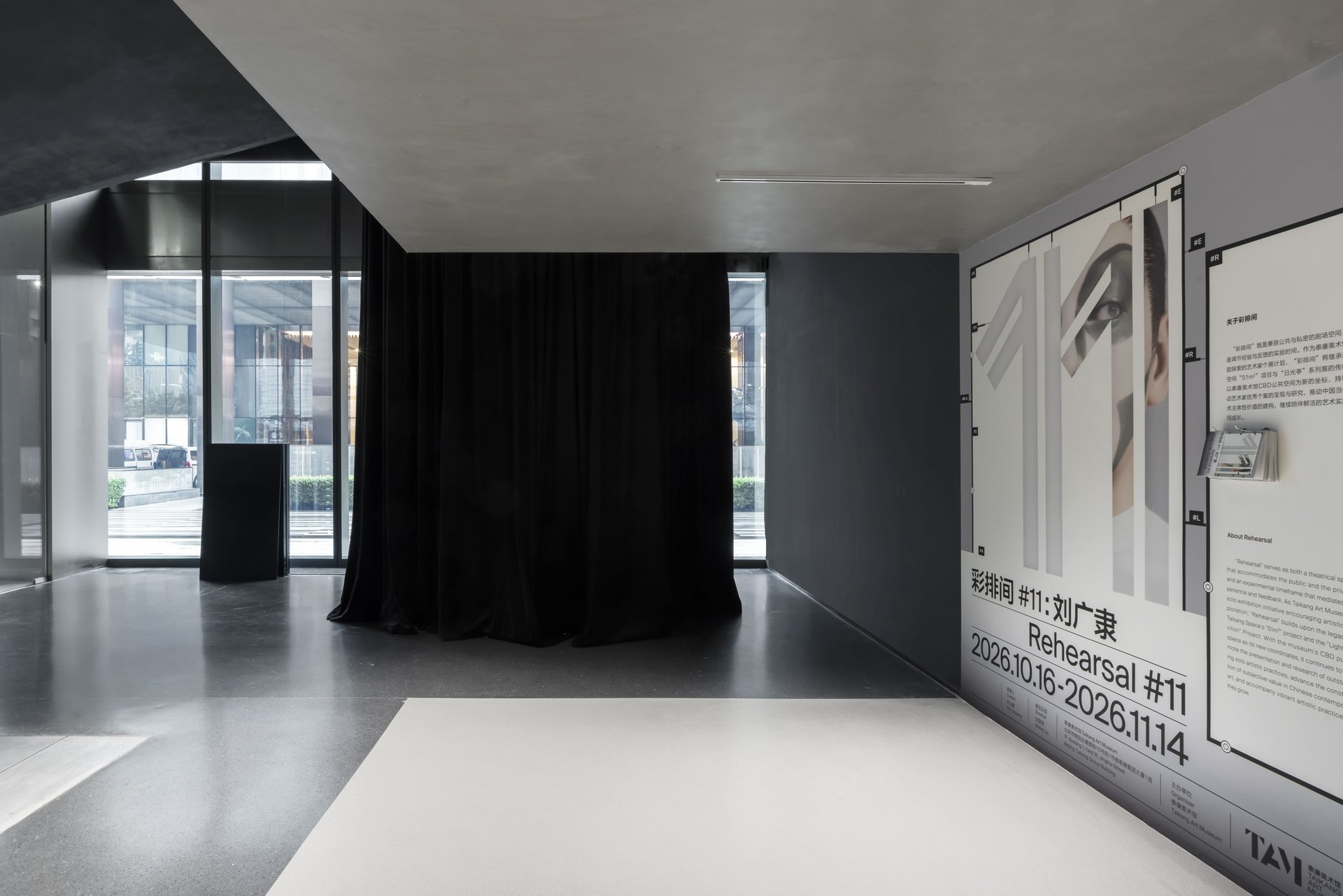
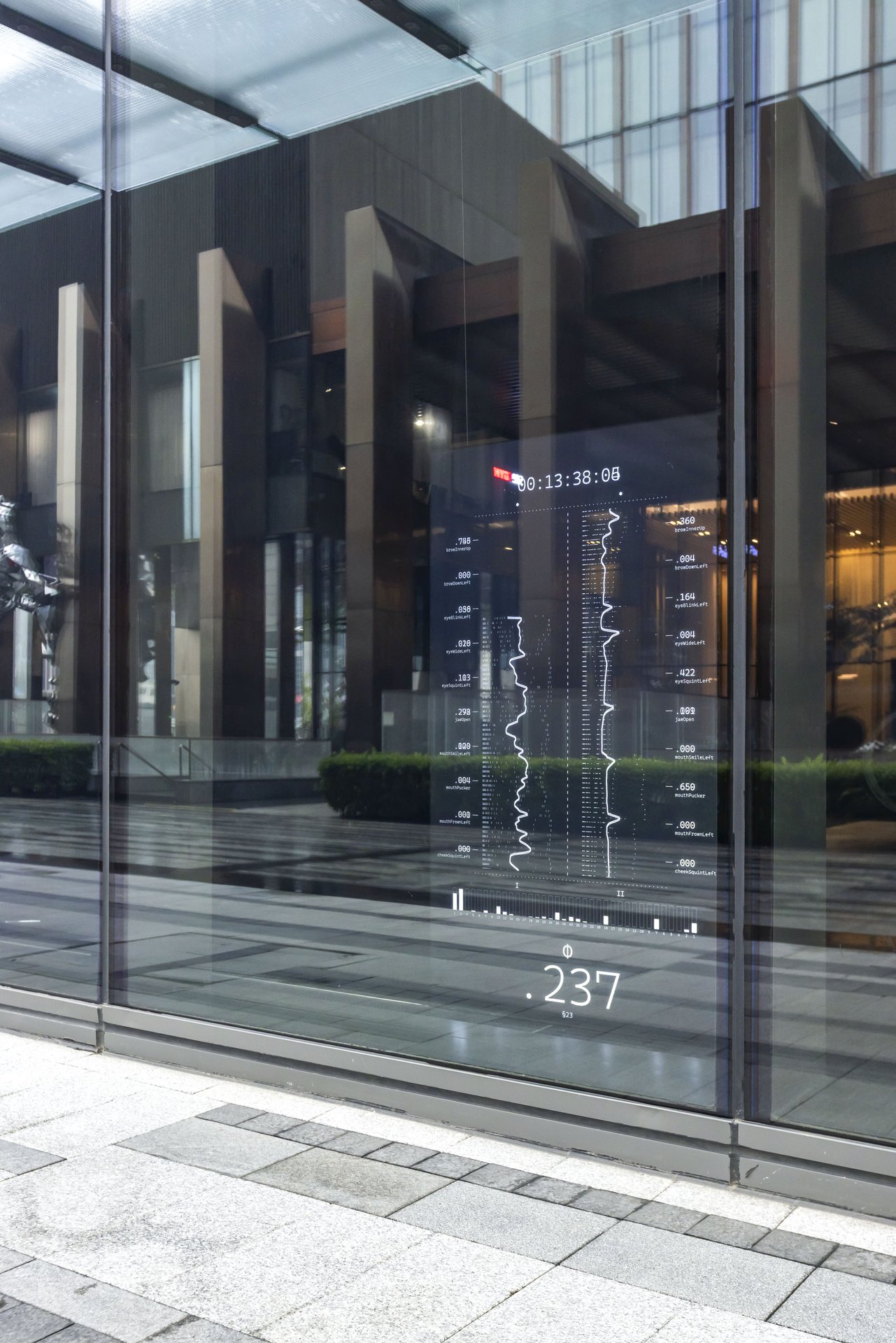
The two videos run almost exactly in sync, and visitors can enter only one cylinder at a time; whatever comparison they make has to pass through memory. The story carries on from one screen to the next, but the comparison is never completed, and that bodily experience is the most important rehearsal material of the project. In the end, the viewer’s looking becomes an accomplice to the rehearsal. Outside the cylinders, a vertical data screen keeps showing the differences the system finds between the two streams of facial movement, and never a photographed face. Facial data keeps the movement; an actor can say the words again; what the first speaker went through inside can be verified by neither. The work echoes the title of Taikang Art Museum’s Rehearsal program and is simply called Rehearsal. A name, too, re-enacts itself. A rehearsal is never the performance; to re-enact means this is never the first time.
Process notes
I held the casting in Beijing at the end of August 2026 and wrote a series of questions for it, about sight, about memory, about what cannot be seen. “Give me a small smile. … Back to neutral. … Now a smile a little bigger than the last one.” The line was spoken 23 times, and the camera caught 46 different smiles. “Of all the projects you have done, what was the hardest thing?” This was the second question in the sequence; it too was asked 23 times, and three actors began to cry at that point. These emotions were recorded, arranged, edited and passed on to one virtual 3D face: together, the actors played a character who does not exist. On 23 September 2026 in Shenzhen, Jin Jing, an actor who had not been through the casting, took the virtual human’s performance as her template and re-enacted it. The real actor conveys truer emotion. Does she? What if her reference is the virtual itself?
Exhibitions
- 2026, Rehearsal #11: Liu Guangli, Taikang Art Museum, curated by Xin Yunpeng, Beijing, China (CN)
Links / references
- Taikang Art Museum - Rehearsal #11: Liu Guangli Museum exhibition page for Rehearsal #11, October 16 - November 14, 2026.