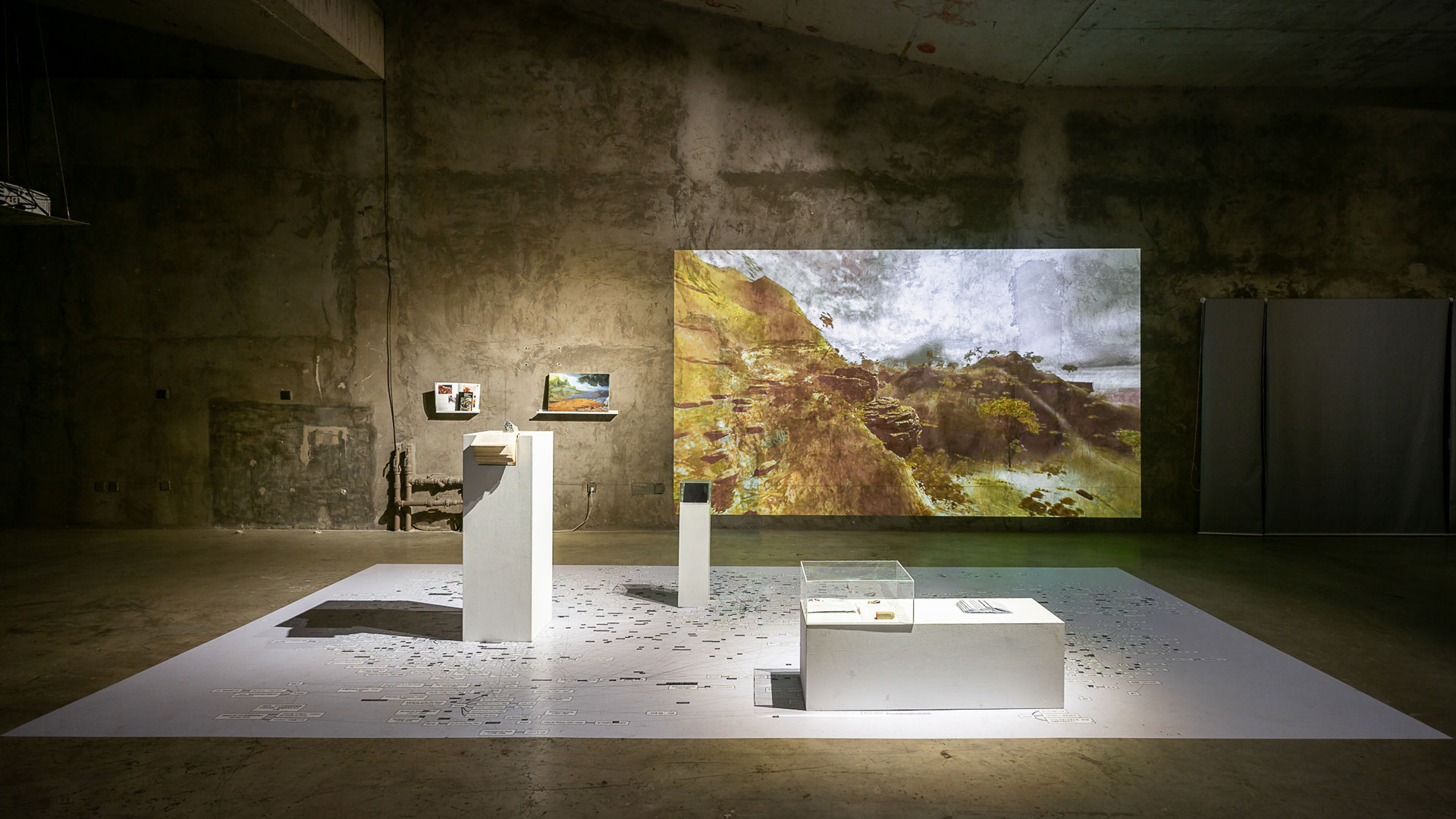
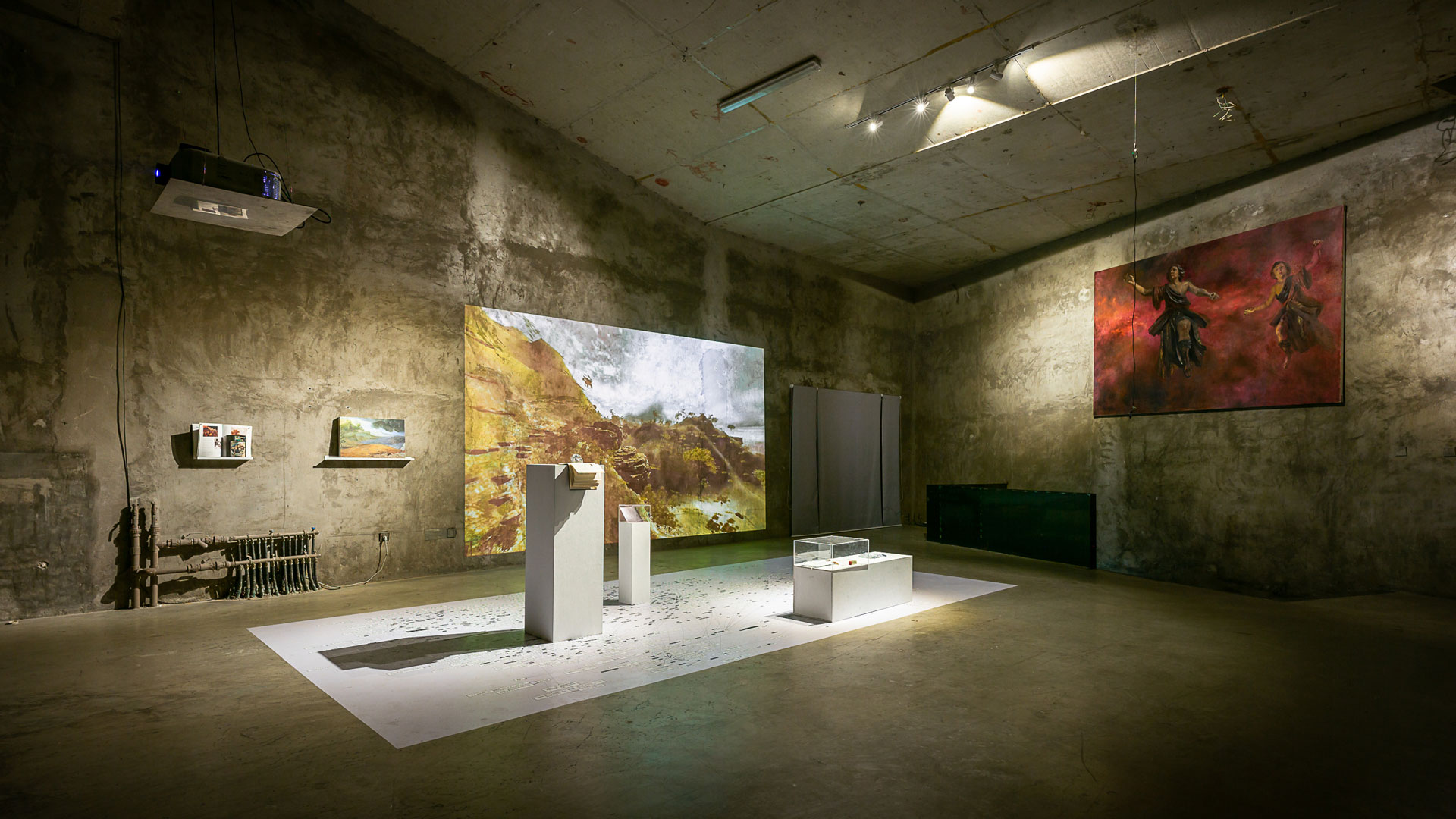
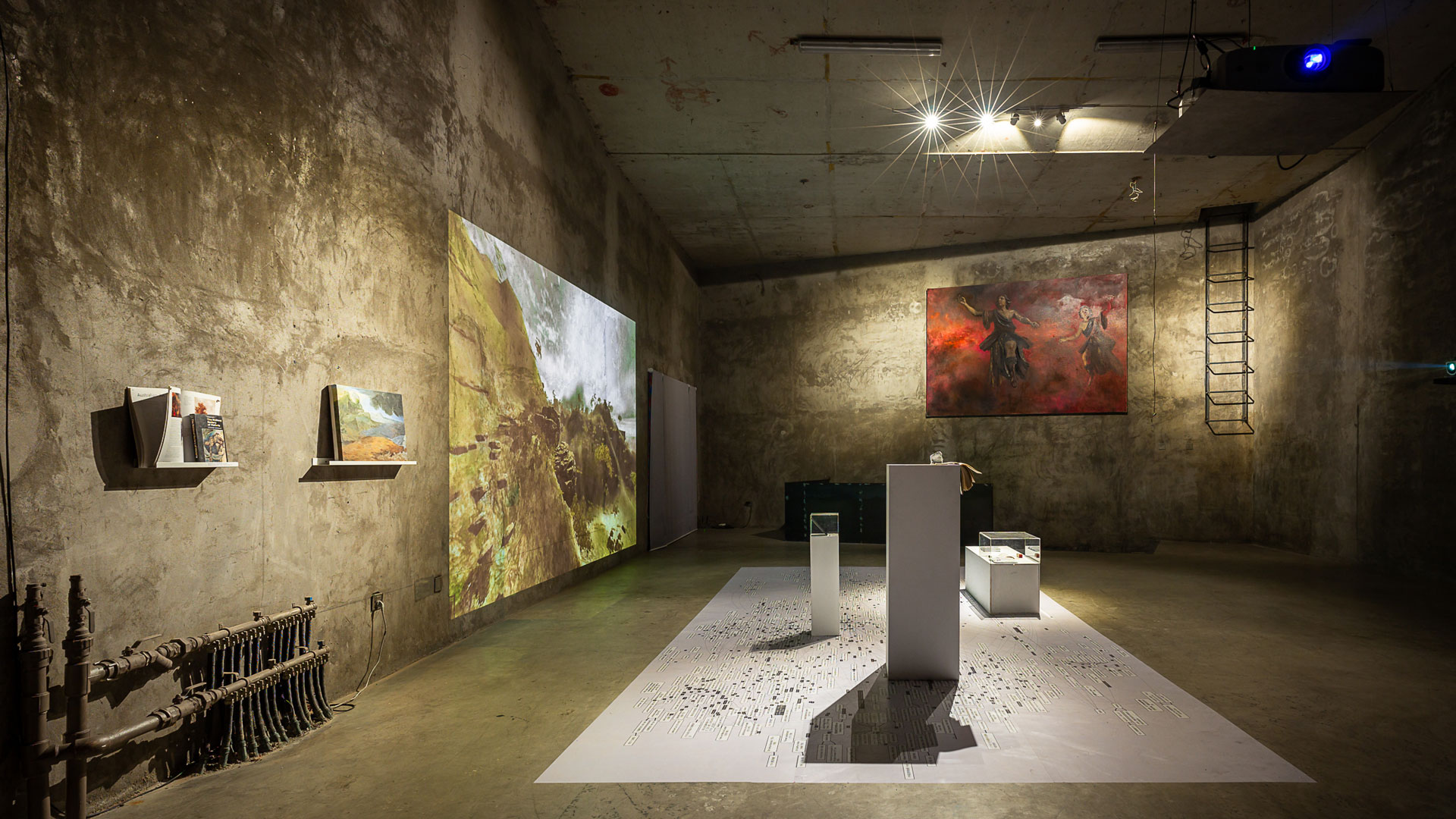
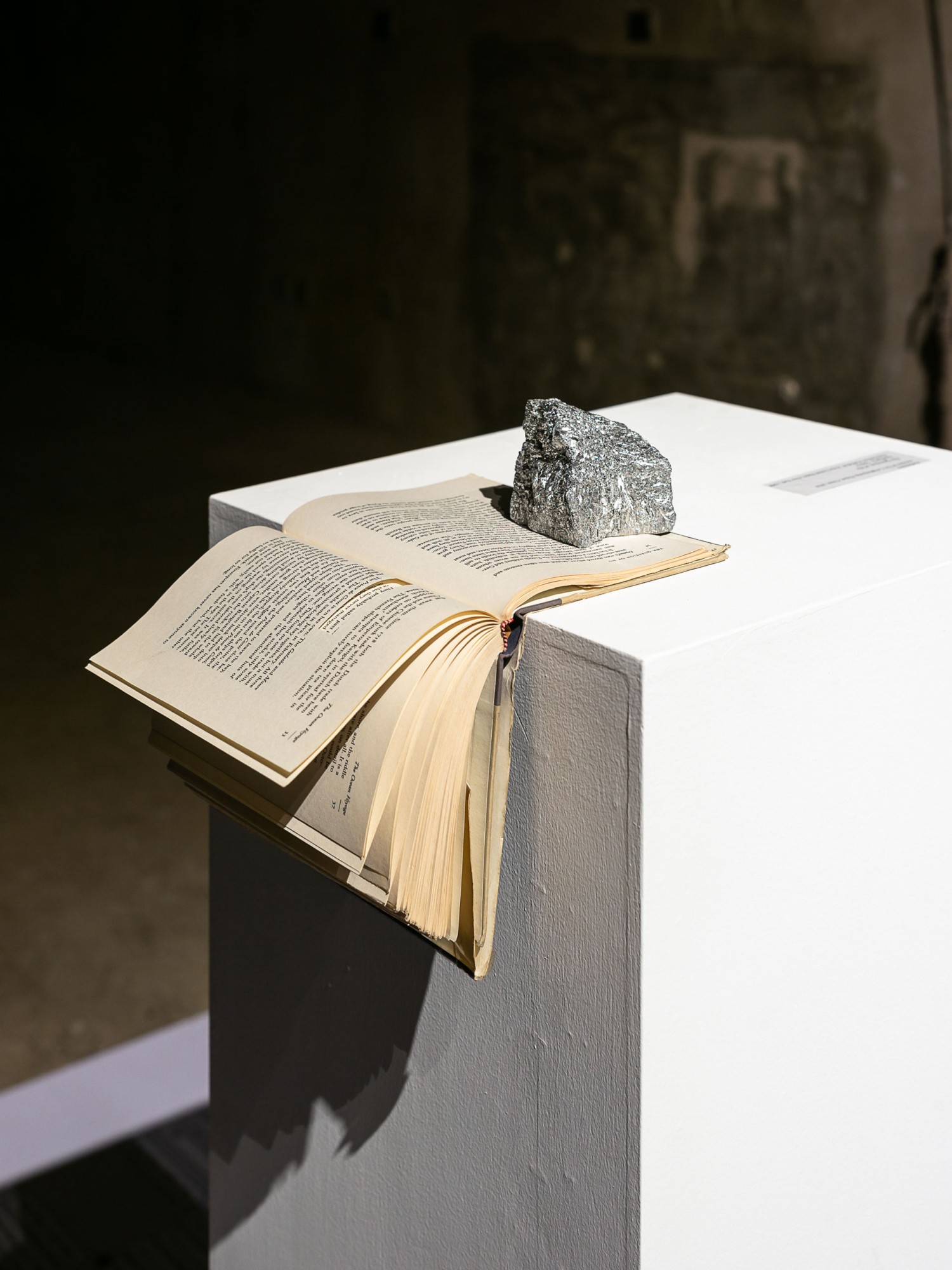
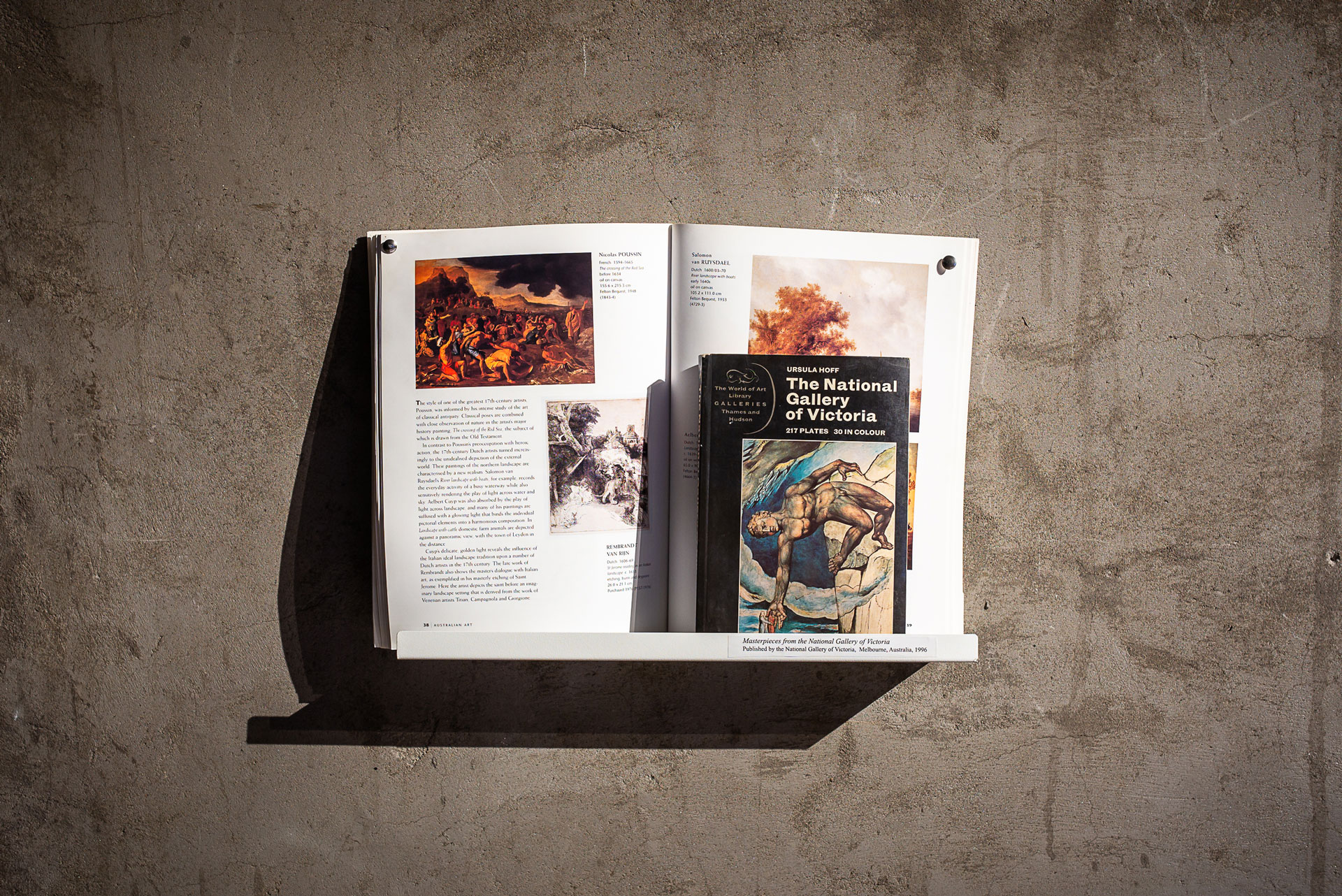
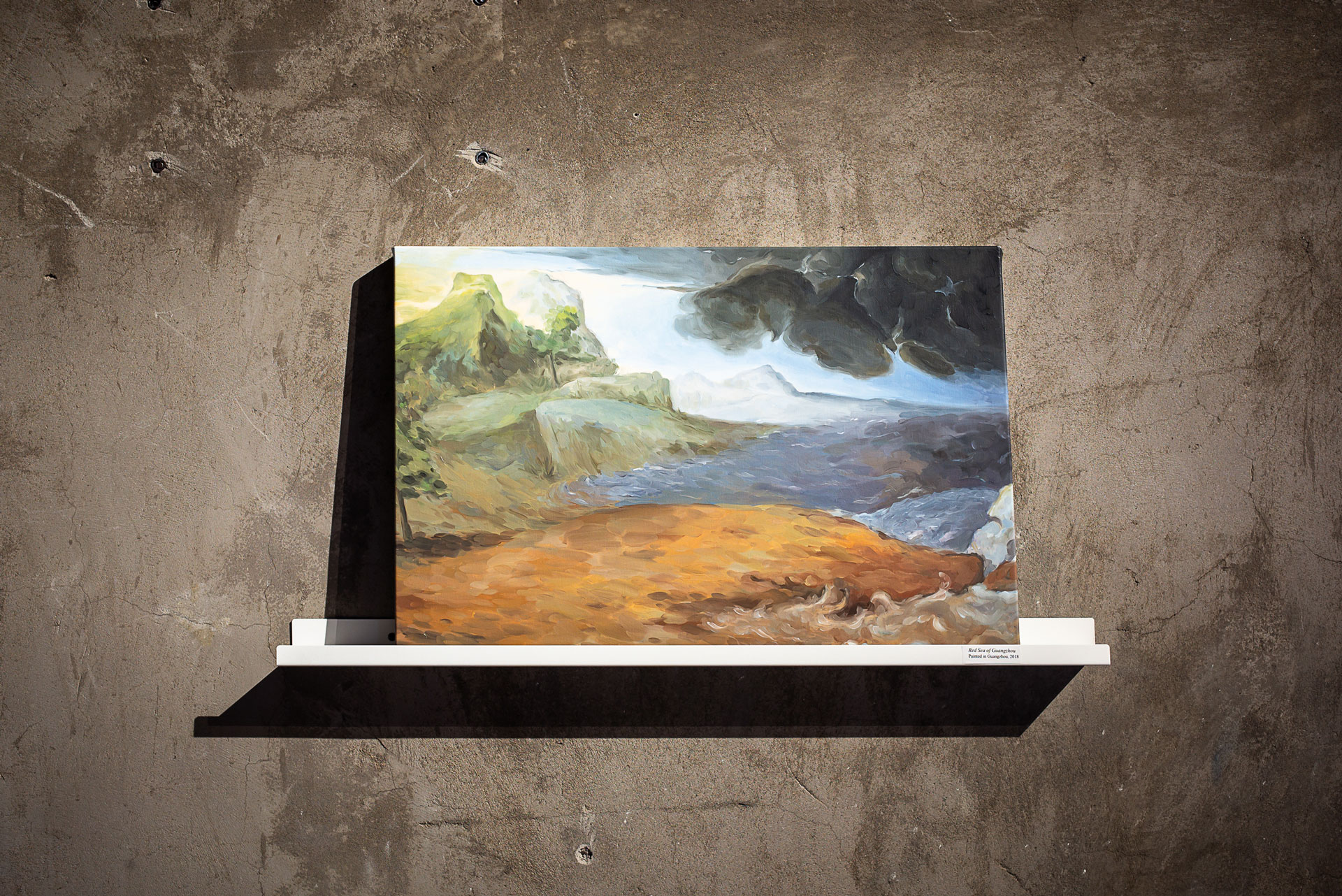
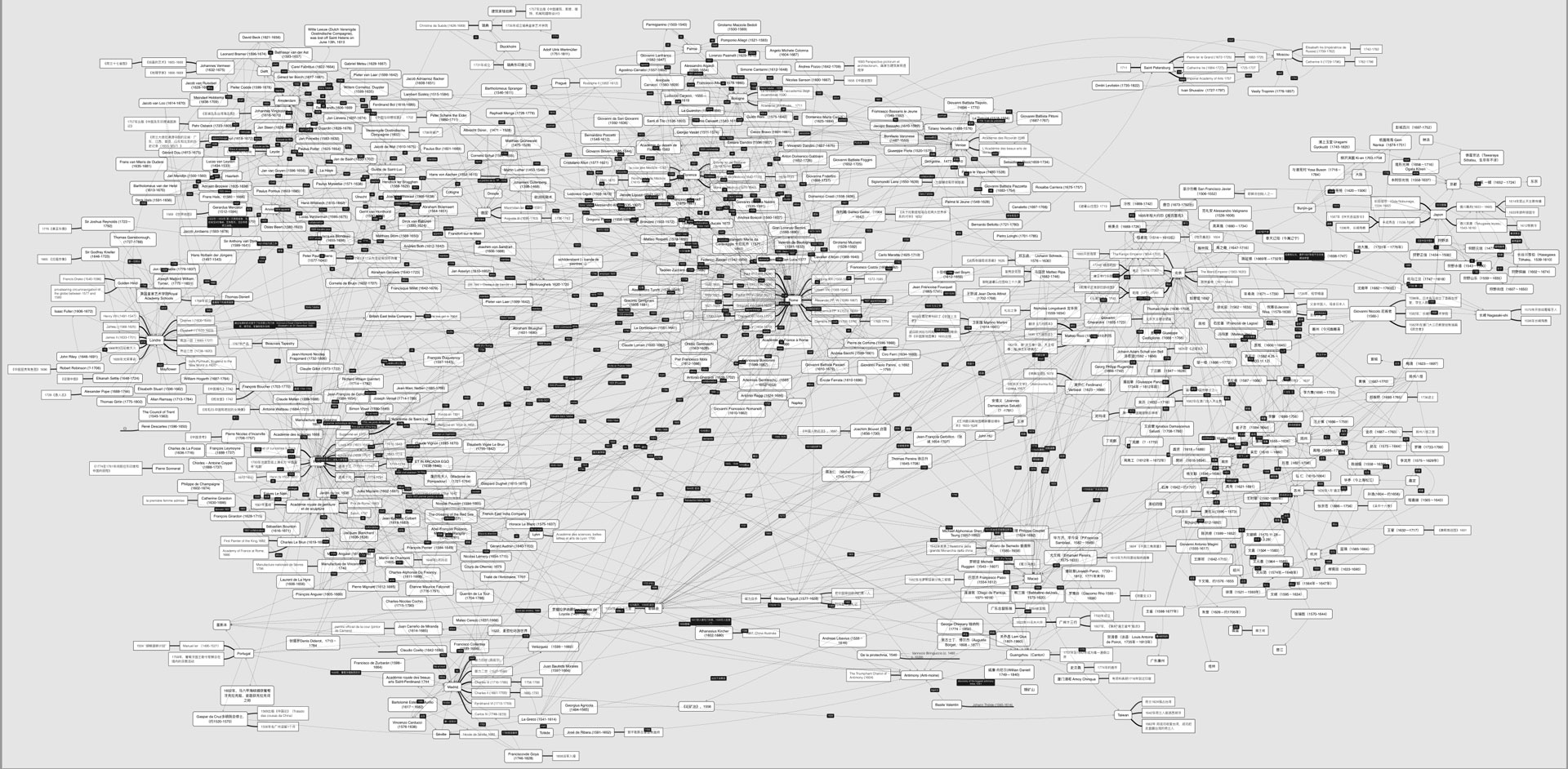
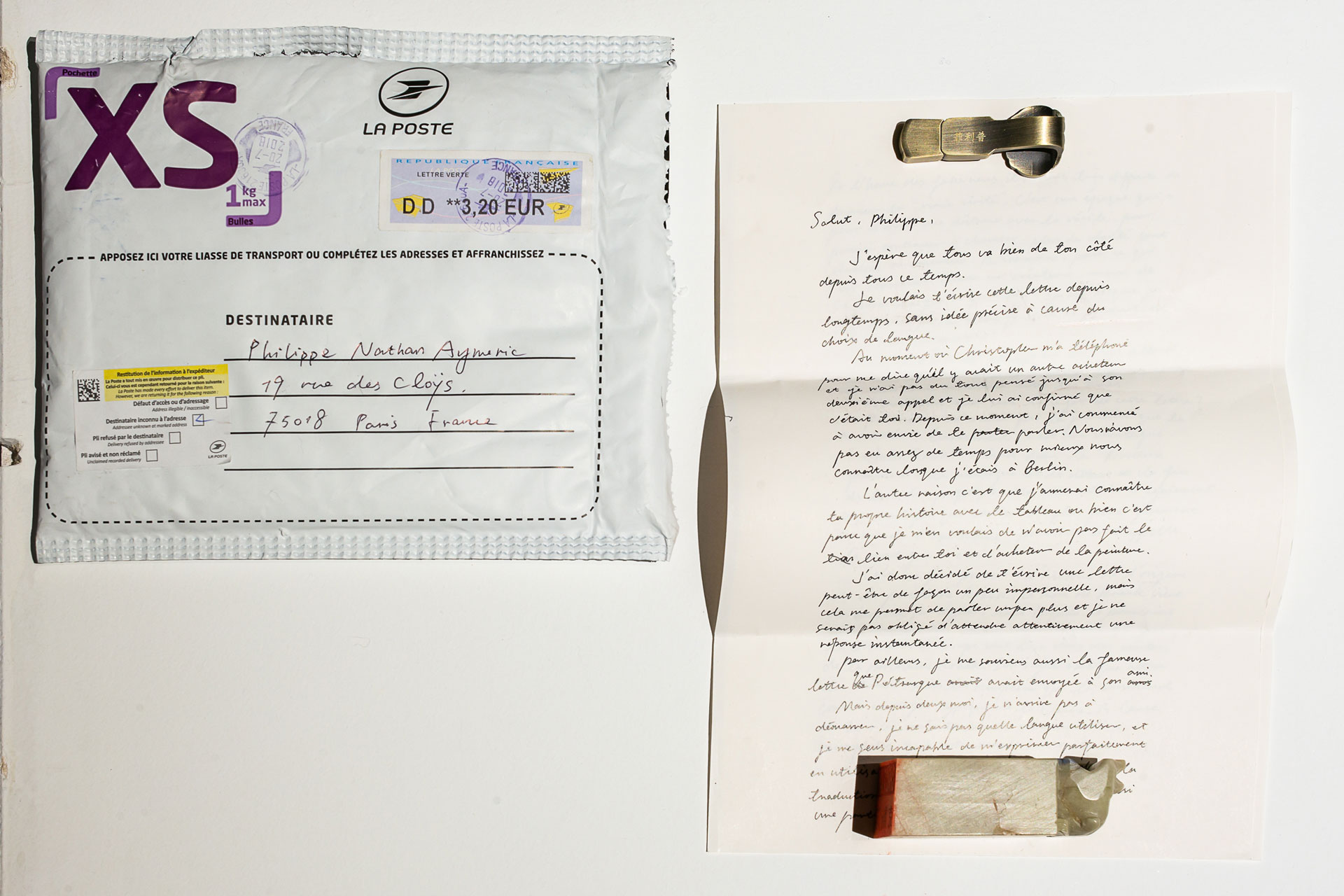
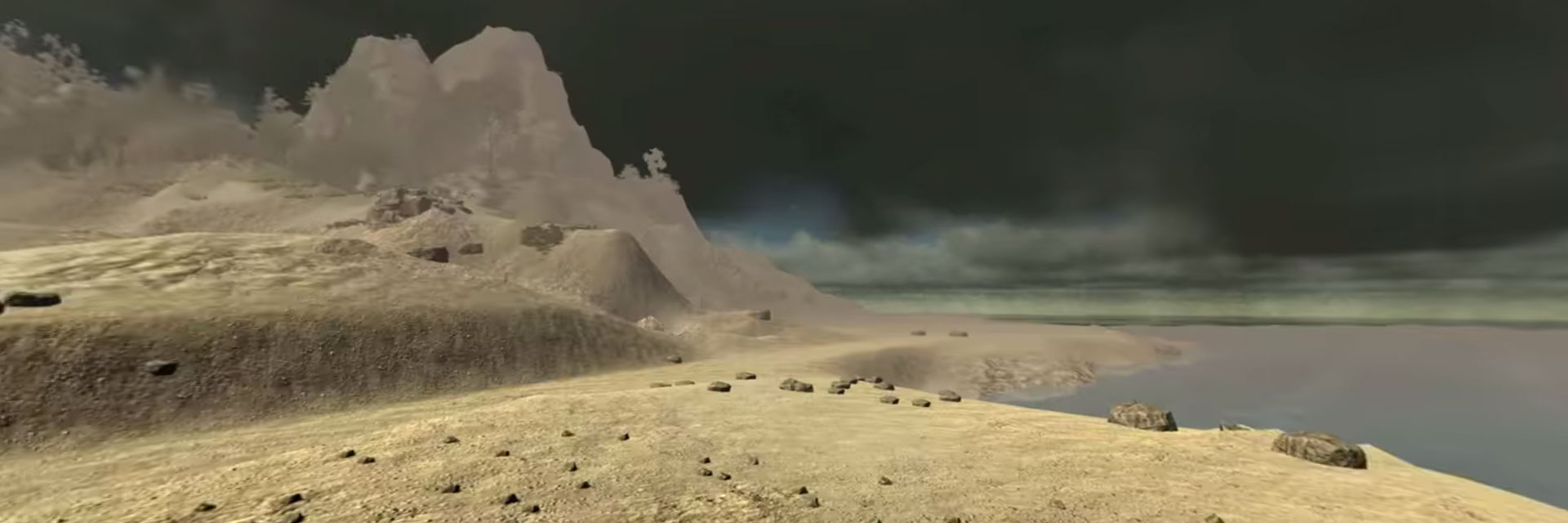
Departing from Nicolas Poussin’s classical painting The Crossing of the Red Sea, this multi-part installation treats the visual carriers of myth as objects of media analysis. The work does not simply illustrate the biblical crossing; it separates the legend into rendered landscape, books, an oil painting, ground printing, an antimony slab, and a returned letter. Faith and voyage become a network of material supports: a painting that travels through art history, a mineral that carries local extraction history, a name that moves between languages, and a sea that appears as both image and route.
Process notes
I took Poussin’s The Crossing of the Red Sea apart and rebuilt it as a storyless 3D landscape, where nature takes part in the miracle and stays completely indifferent to it. Around that landscape the installation breaks into chapters, each a different way of crossing: Temporary Relationship between Antimony from Tin Mine and a Chinese Man with Only English Name, Victoria and Nicolas, Red Sea of Guangzhou, Painter, City and Travel, and An Unsent Letter to Phillip. A painting drifts through art history, a slab of antimony carries the history of a mine, a name slips between languages, and the sea stays both an image and a route — faith and travel scattered into a field of objects, a single legend undone into many separate crossings.
Exhibitions
- 2019, Pull up the Stake, Qimu Space, Beijing, China (CN) — Exhibition view and object documentation courtesy of Qimu Space.
Links / references
- TrueArt - The Crossing of the Red Sea at Qimu Space Public TrueArt page for the Qimu Space presentation, with Chinese and English project text and exhibition documentation.